
Slab foundation repair
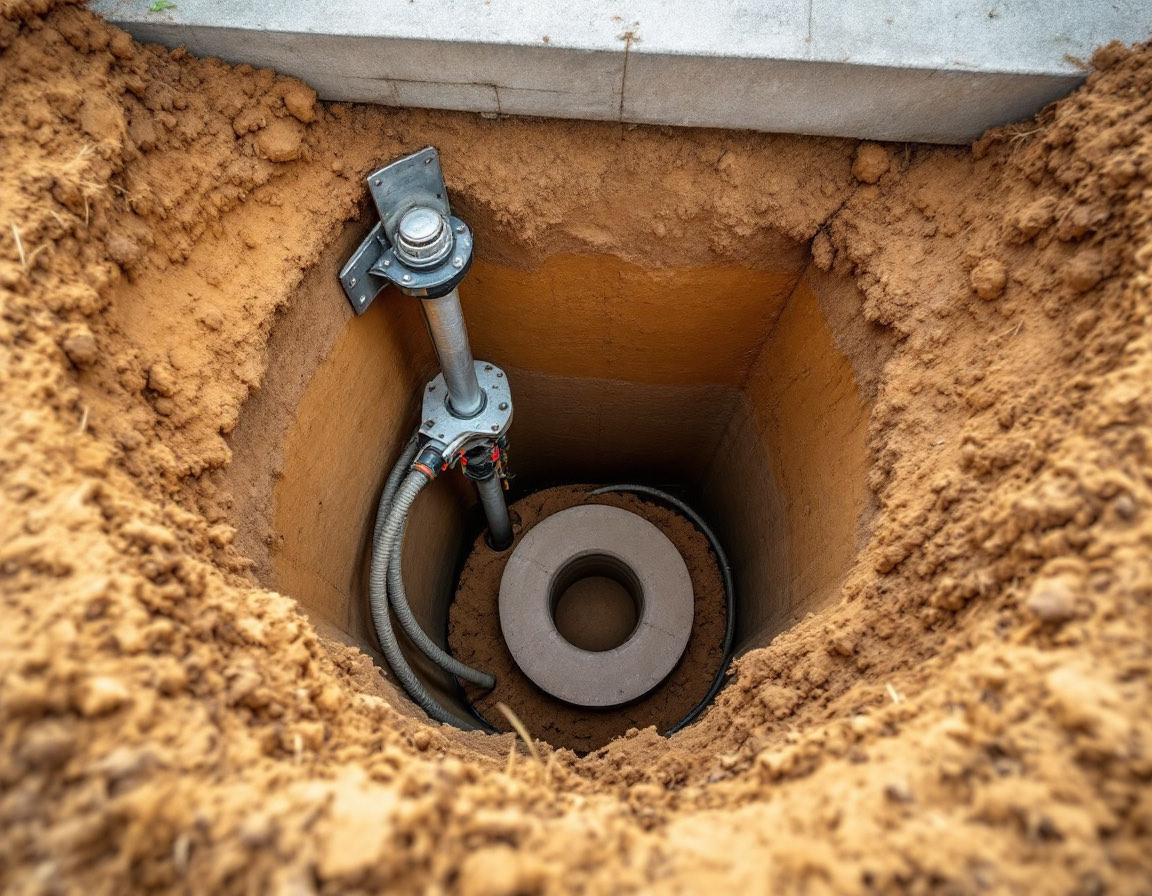
Piers driven under a settling slab until it carries the house again
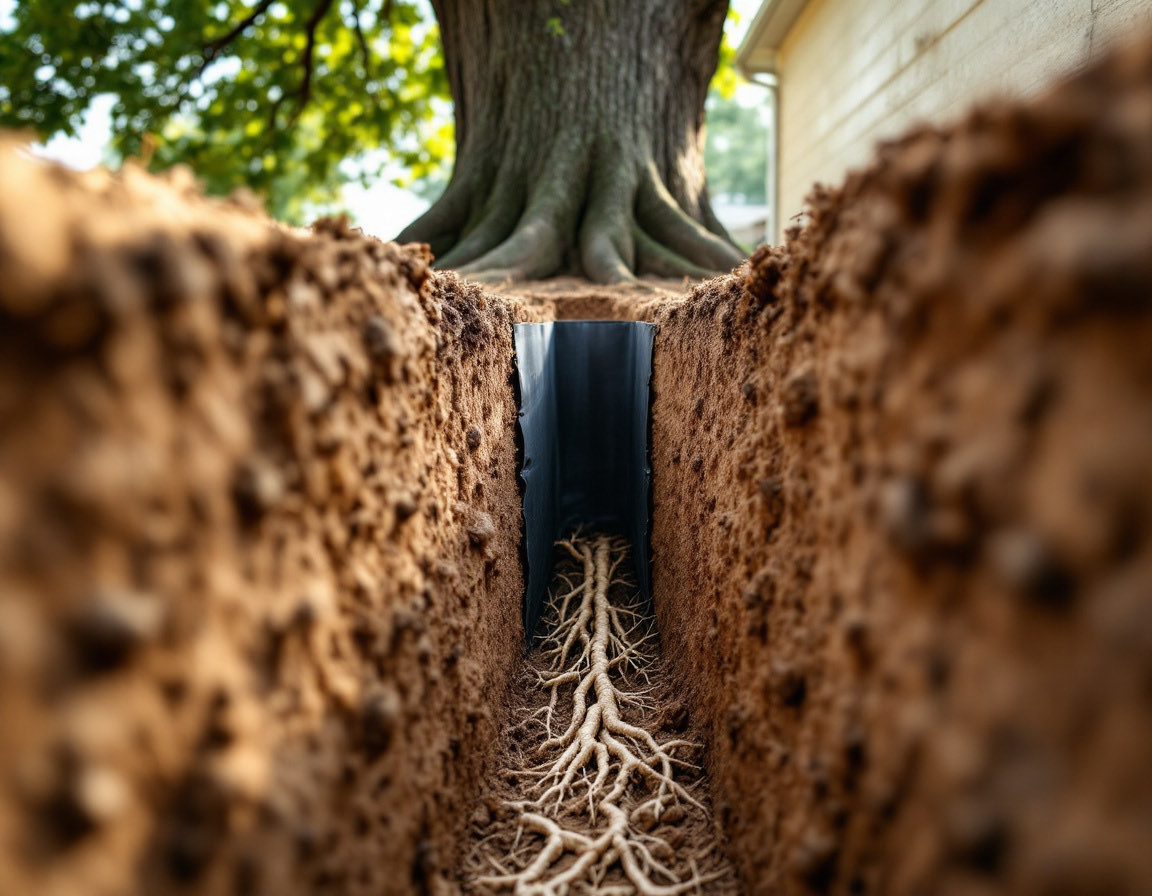
A mature tree close to the house can pull enough water out of the clay to drop that corner of the slab. A barrier stops the roots without taking the tree.
Trees and clay foundations compete for the same water. A large tree near the house draws moisture out of the soil within its root spread, and on shrink-swell clay, removing water means the ground contracts. If that happens on one side of the house and not the other, the slab tilts toward the tree.
The tell is a pattern rather than a single crack: the movement is worst nearest the tree, it gets noticeably worse through the dry months, and it eases after a wet stretch. That seasonal rhythm is what distinguishes tree-driven movement from settlement.
The usual reaction is to remove the tree, and that is often the wrong call — both because the tree may be the best thing in the yard and because removing a large one abruptly lets the soil rehydrate and swell, which brings its own movement. A root barrier is the middle path: a vertical barrier between tree and house that stops roots reaching under the foundation while the tree stays.
Whether this applies to your house comes down to how thirsty the ground already is. The clays mapped around San Angelo hold cracks open for most of the year — 210 or more cumulative days a year for the Tobosa series northeast of town, more than 150 cumulative days a year for the Lipan series southeast of it. Soil that is already at its dry limit for that long has very little margin left, so a mature tree drawing from it is taking water the foundation has no spare of. The same tree in a wetter climate on a sandier soil would be a non-issue.
Ground and climate facts on this page come from the USDA Natural Resources Conservation Service Official Soil Series Descriptions for the Tobosa, Lipan and Angelo series (all three mapped in Tom Green County) and from NOAA climate normals for San Angelo.
Measured floor elevations showing the low point nearest the tree, and a history of movement that worsens through dry months. Without that pattern, a barrier is money spent on the wrong problem.
Between the tree and the house, deep enough to sit below the main lateral root zone. Too shallow and the roots go under it, which achieves nothing.
A trench is cut on that line and a barrier set vertically, directing root growth down and away rather than under the slab.
Once the roots are no longer drawing from it, the soil near the foundation needs bringing back to an even moisture level — gradually, since fast rehydration of dry clay causes its own swelling.
Elevations re-measured later to confirm the movement has settled. Where the slab has already dropped significantly, a barrier stops it getting worse but does not lift what has gone.
These are national market figures, published so you can tell whether a quote you receive is in a sane range. They are not San Angelo prices and they are not a quote for your house. Your own price is put in writing after somebody has measured your floors.
Cost figures from Angi's national foundation repair cost survey and HomeGuide's pier and beam repair cost data. See the full cost breakdown →
Piers driven under a settling slab until it carries the house again
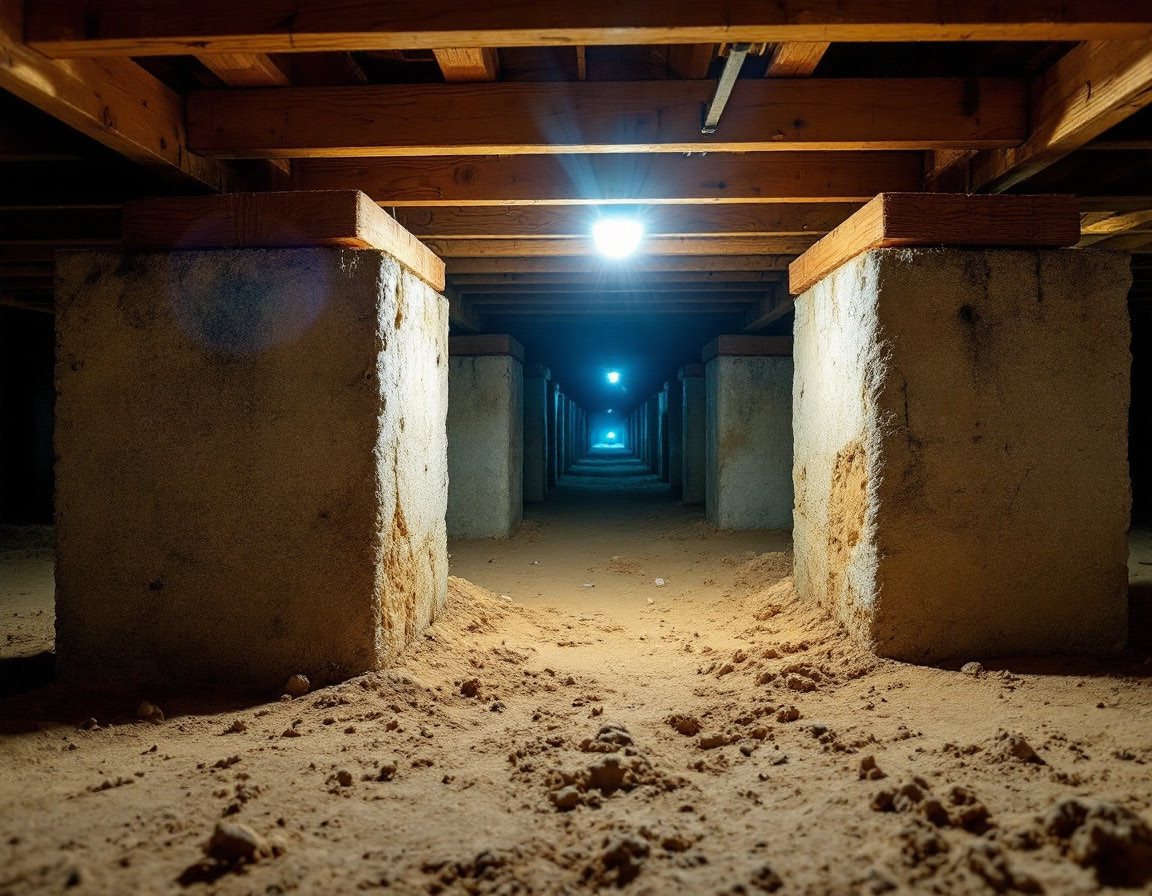
Sunken piers, sagging beams and floors that bounce when you walk

The whole structure brought back within tolerance, measured not eyeballed
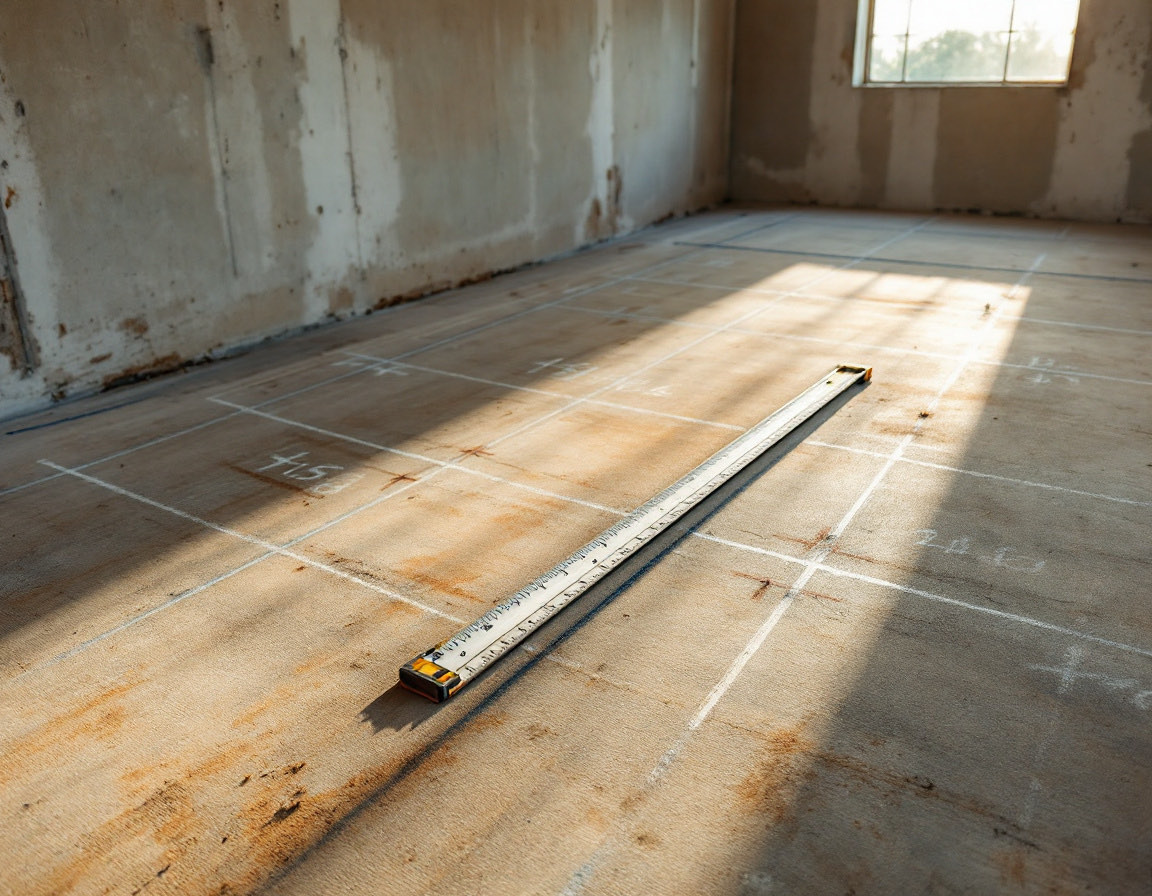
Measured floor elevations and a written report before anyone sells you piers
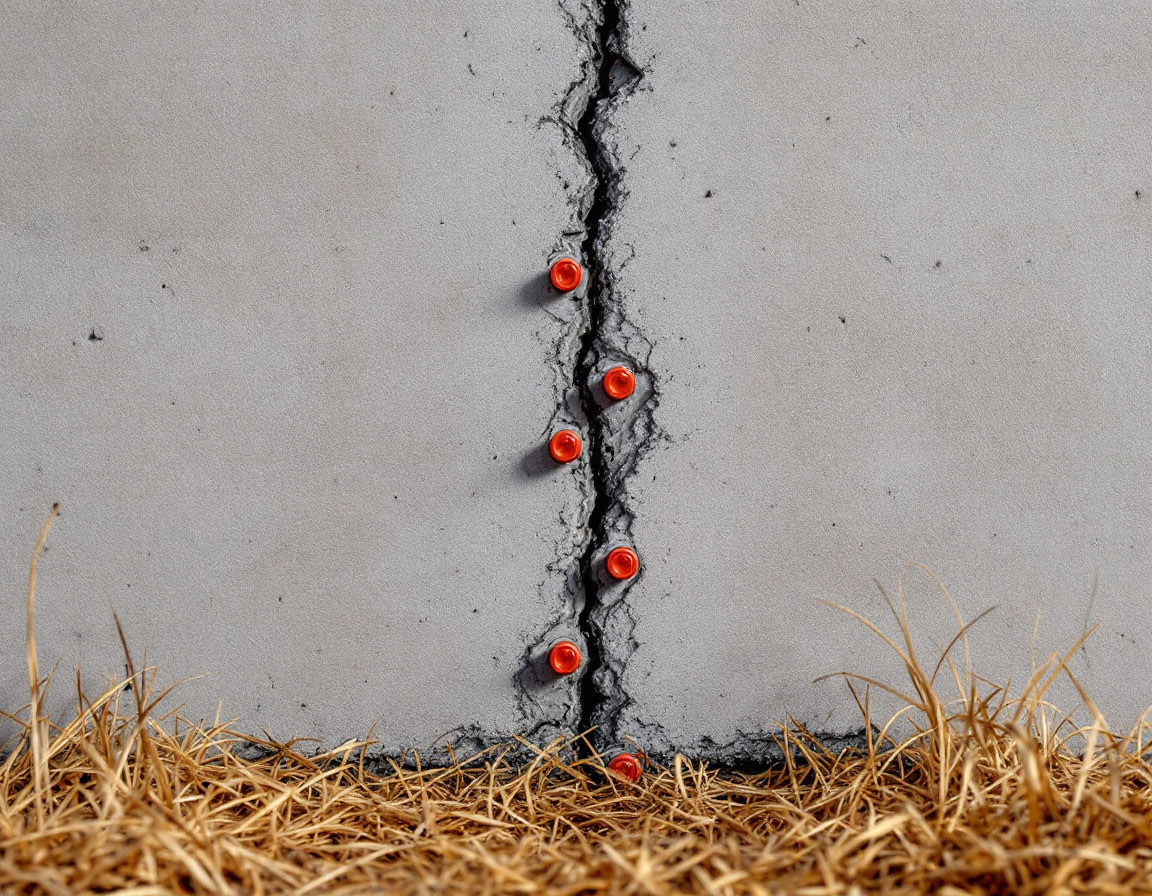
Slab, brick and drywall cracks closed after the movement is stopped
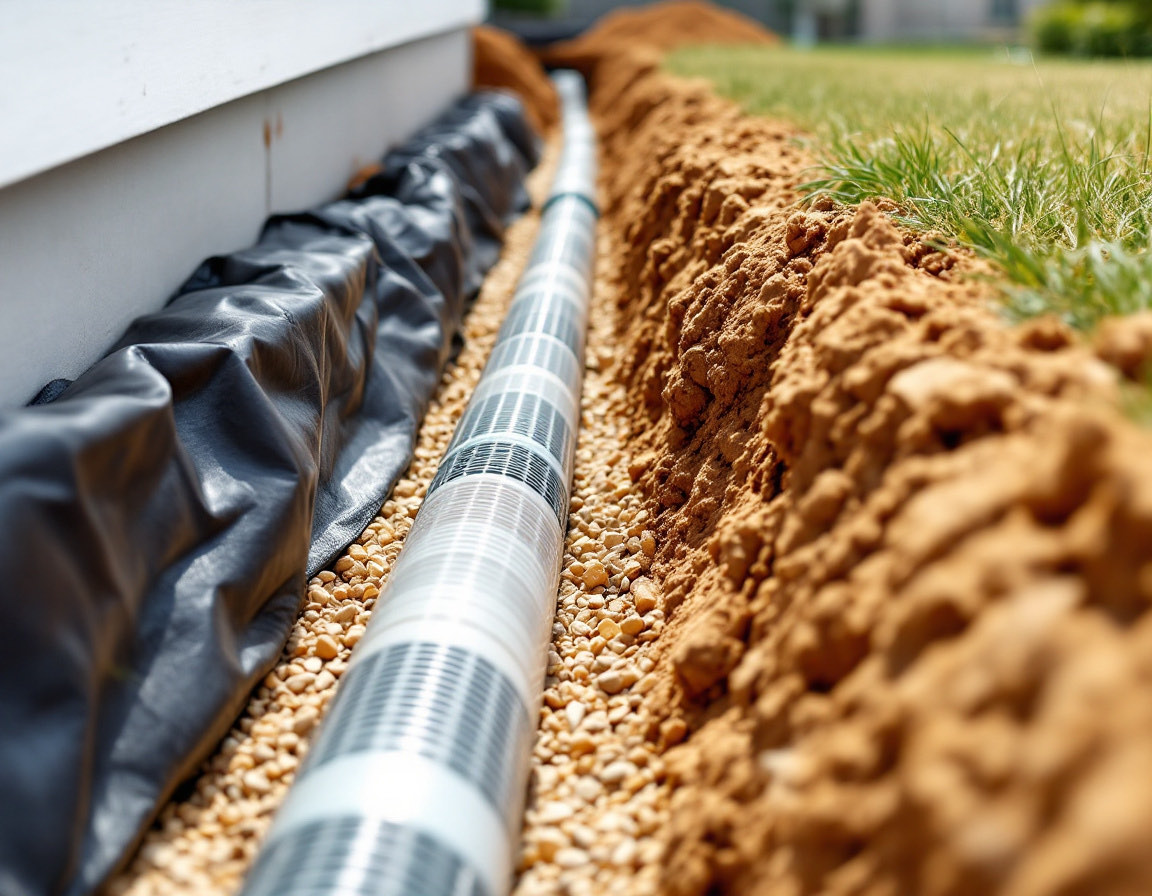
Getting rainwater away from the slab so the clay stops swinging
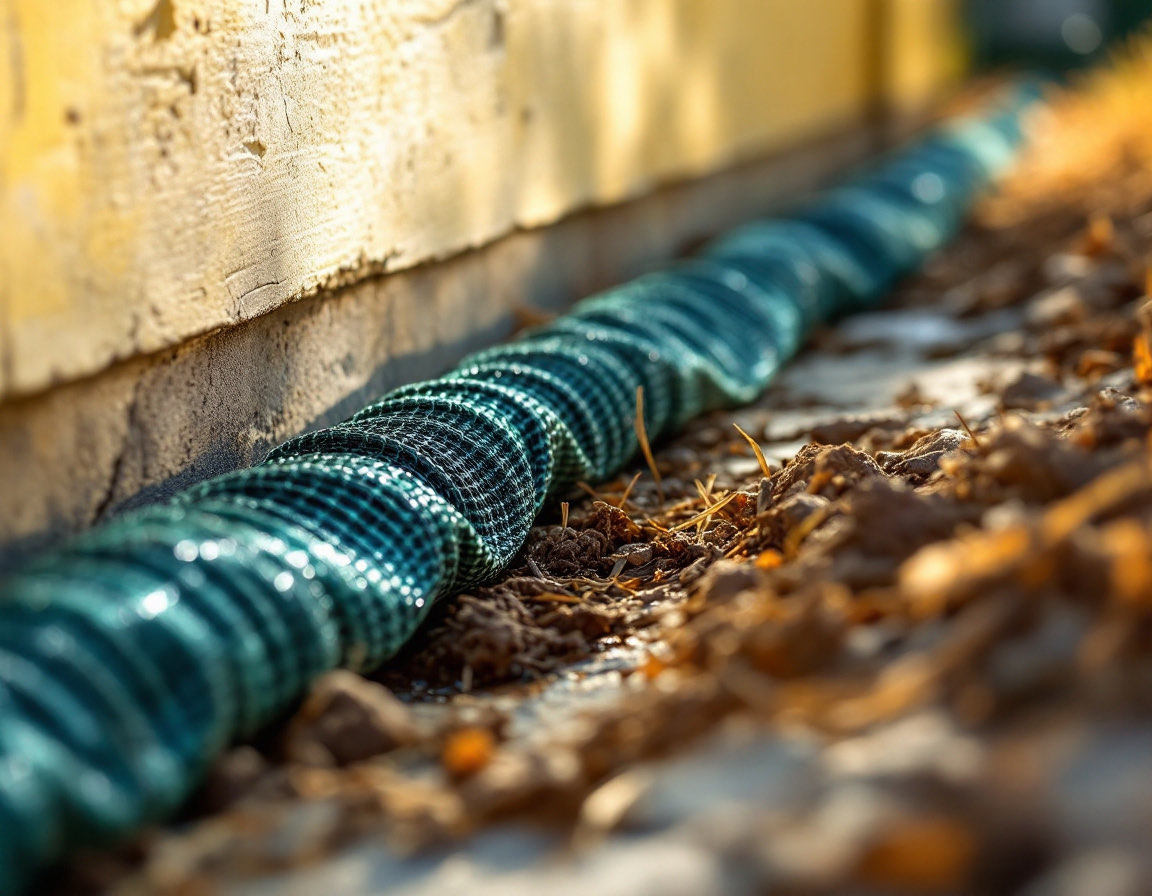
Soaker lines that hold soil moisture steady through a Concho Valley summer
The evaluation is free and the answer is just as often that you do not need the work.