
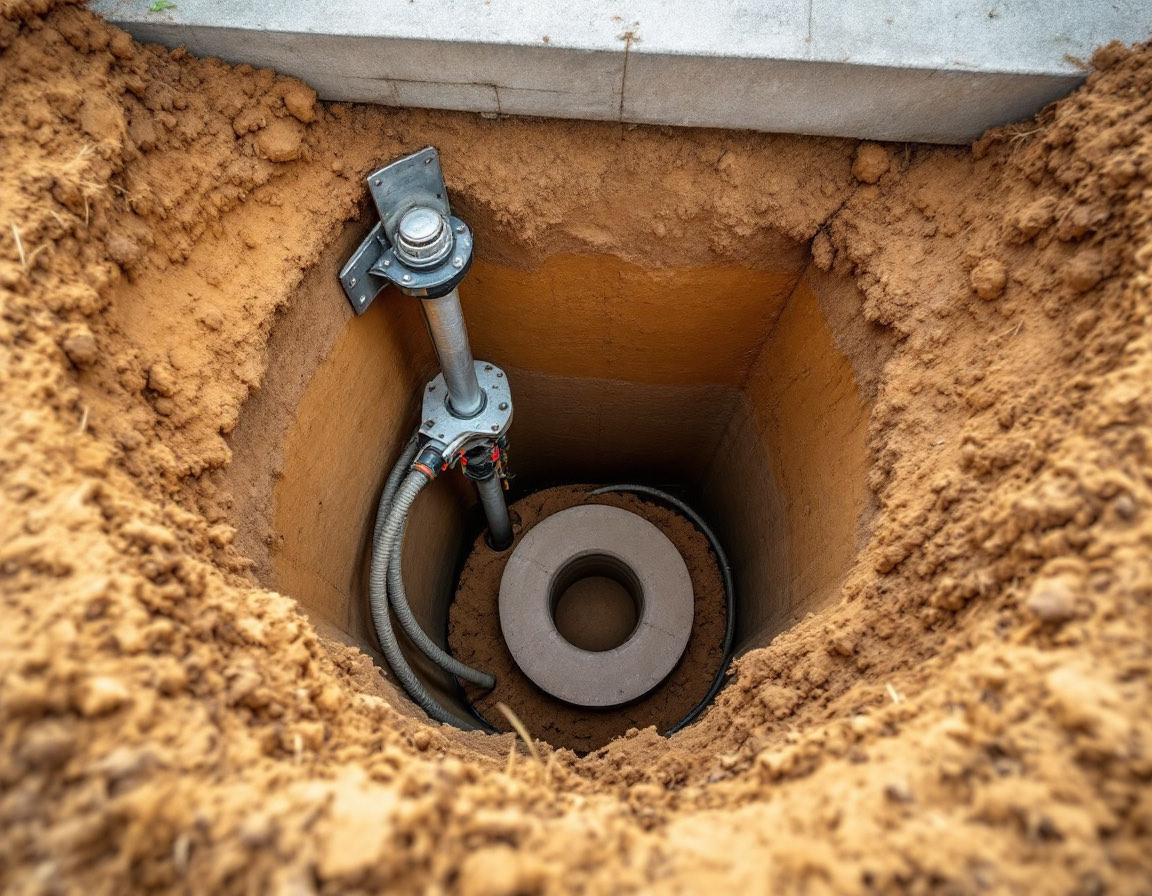
Slab foundation repair
Piers driven under a settling slab until it carries the house again
The cheapest foundation work there is: stop rainwater from soaking the ground on one side of the house and not the other.
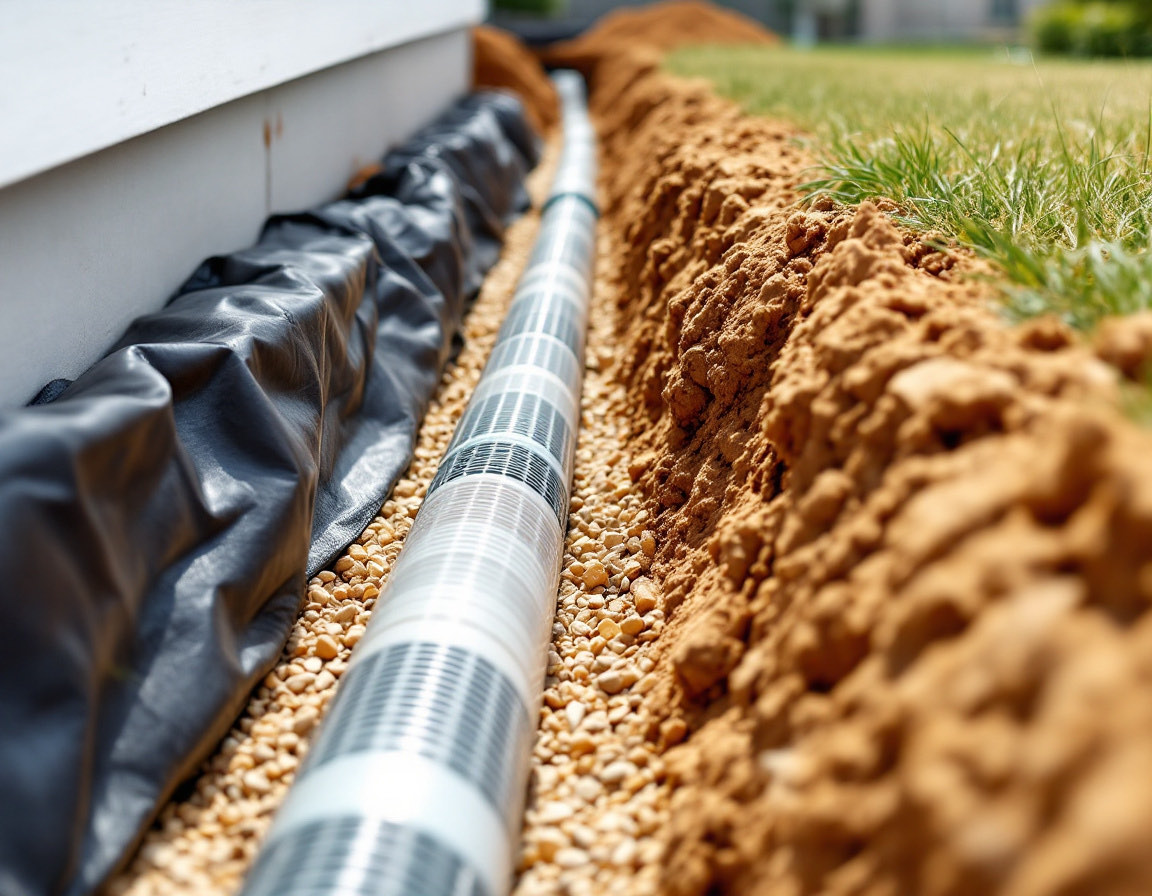
Uneven moisture is what breaks foundations on clay. Not water in general — unevenness. A downspout dumping against one corner while the opposite side bakes dry produces exactly the differential that lifts one part of a slab and lets another drop.
That makes drainage the highest-return work in this trade. It costs a fraction of pier work, and on a house where the movement is being driven by water rather than by depth, it can be the entire fix. It is also the part most often skipped, because it is not what people picture when they think about foundation repair.
Even where piers are genuinely needed, correcting drainage is what stops the problem coming back. Piers hold the house; drainage settles the ground.
San Angelo's rainfall pattern is unusually hard on clay, and the average hides it. The normal is 20.94 inches a year, but the record swings from 7.41 inches in 1956 to 35.72 inches in 2016 — close to a fivefold difference between the driest and wettest years. Ground that is baked open for months and then takes a year's worth of rain in a season goes through the full swell-and-shrink cycle at its extremes, and everything sitting on it goes along.
Ground and climate facts on this page come from the USDA Natural Resources Conservation Service Official Soil Series Descriptions for the Tobosa, Lipan and Angelo series (all three mapped in Tom Green County) and from NOAA climate normals for San Angelo.
Roof to gutter to downspout to ground, then across the yard. The problem is often visible as a splash pattern or a worn channel in the soil right beside the slab.
The ground should drop away from the foundation, not toward it. Over years, settling soil and added landscaping quietly reverse the slope so that water runs back against the wall.
Extending downspouts and adding drains so roof water is released well away from the foundation rather than at the corner of it.
Rebuilding the slope so surface water leaves, and removing the beds, borders and hard surfaces that were trapping it against the house.
On clay, the fix is consistency in both directions. That often means pairing the drainage work with steady moisture on the side that dries out hardest.
These are national market figures, published so you can tell whether a quote you receive is in a sane range. They are not San Angelo prices and they are not a quote for your house. Your own price is put in writing after somebody has measured your floors.
Cost figures from Angi's national foundation repair cost survey and HomeGuide's pier and beam repair cost data. See the full cost breakdown →
Piers driven under a settling slab until it carries the house again
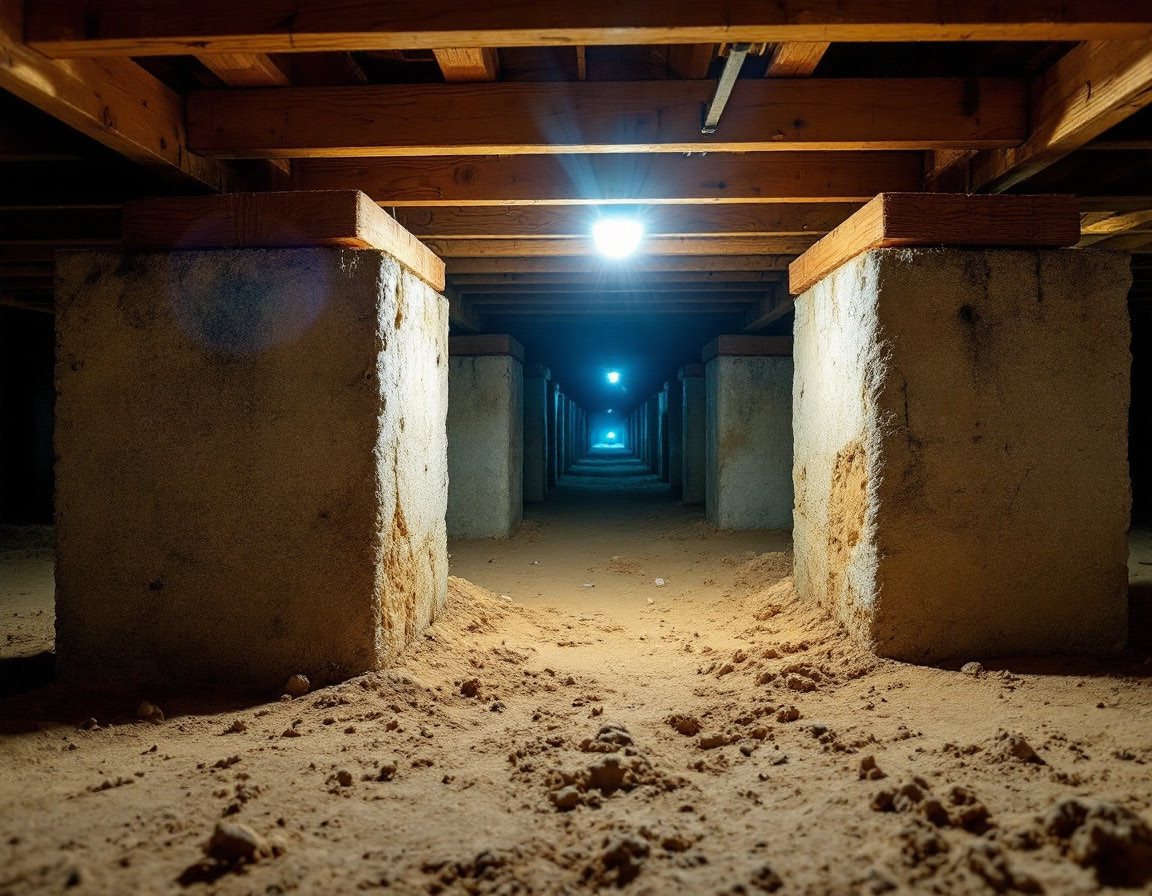
Sunken piers, sagging beams and floors that bounce when you walk

The whole structure brought back within tolerance, measured not eyeballed
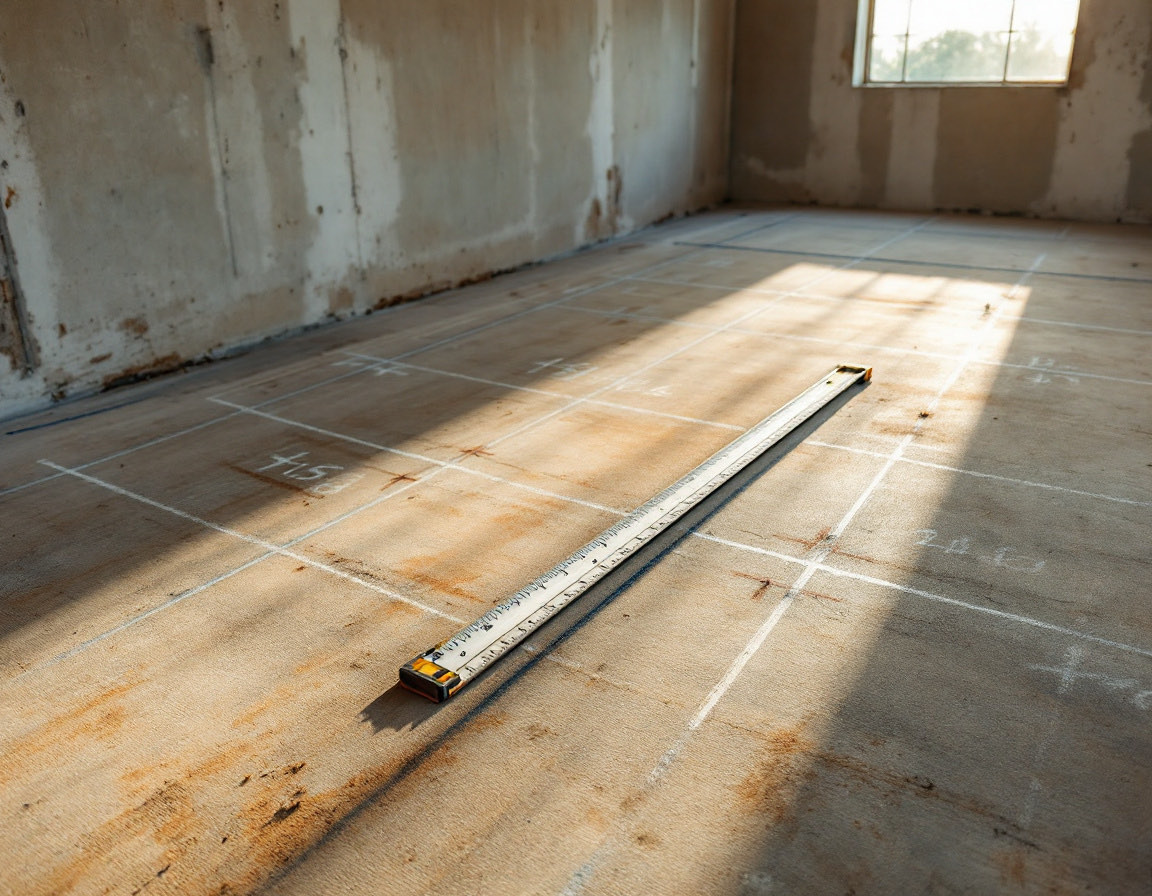
Measured floor elevations and a written report before anyone sells you piers
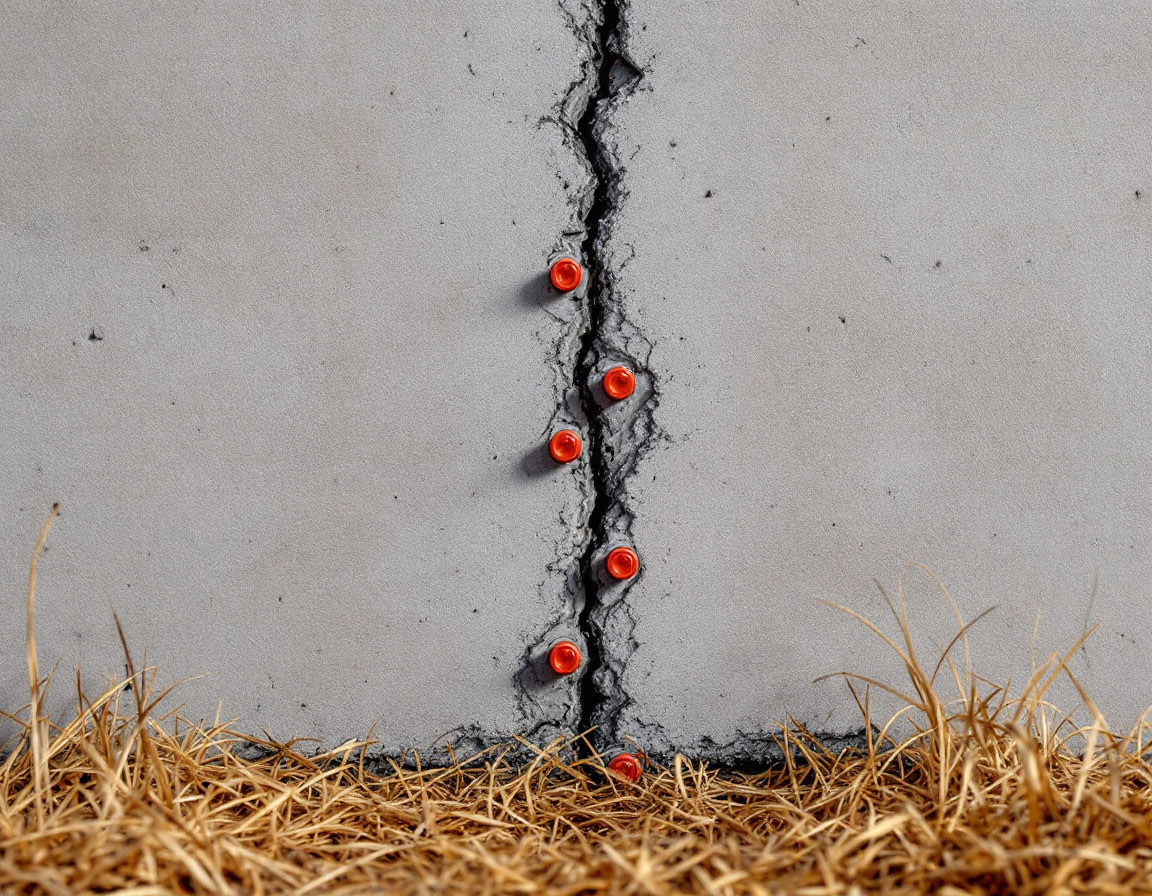
Slab, brick and drywall cracks closed after the movement is stopped
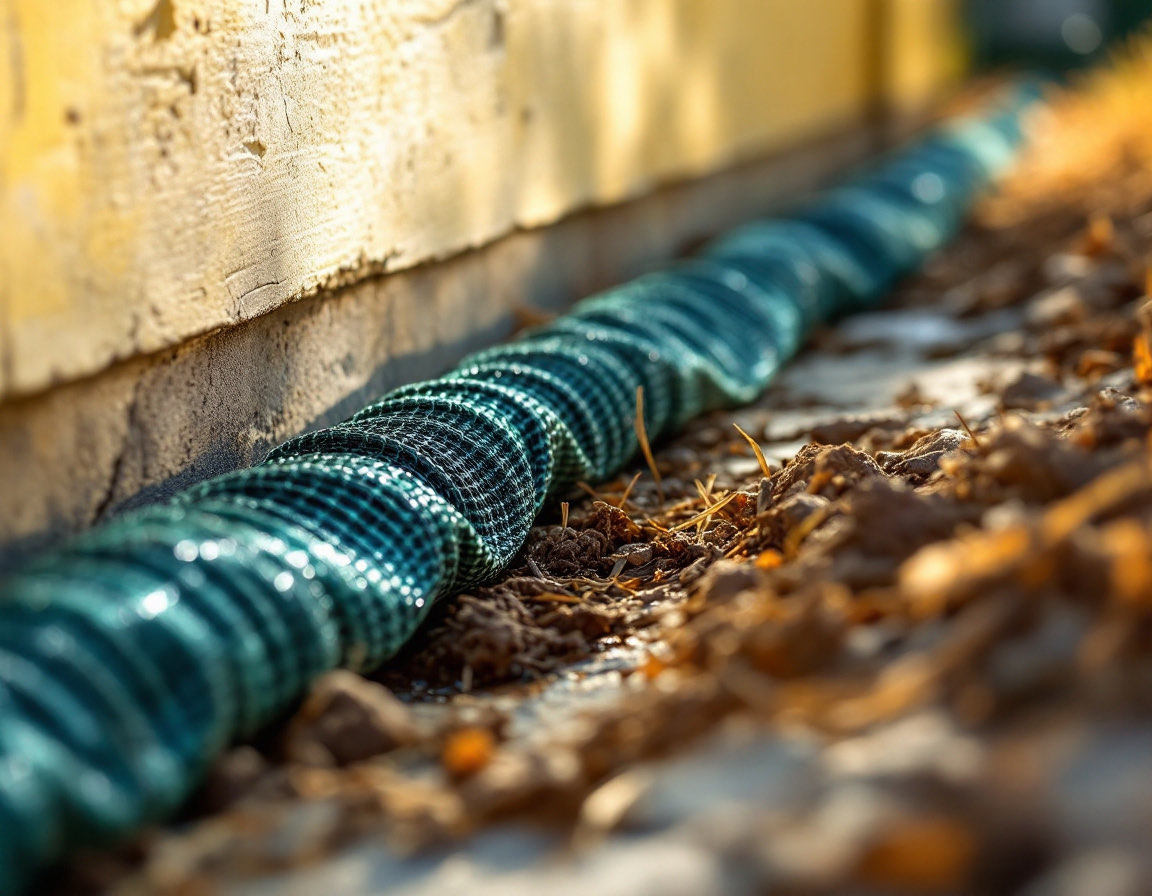
Soaker lines that hold soil moisture steady through a Concho Valley summer
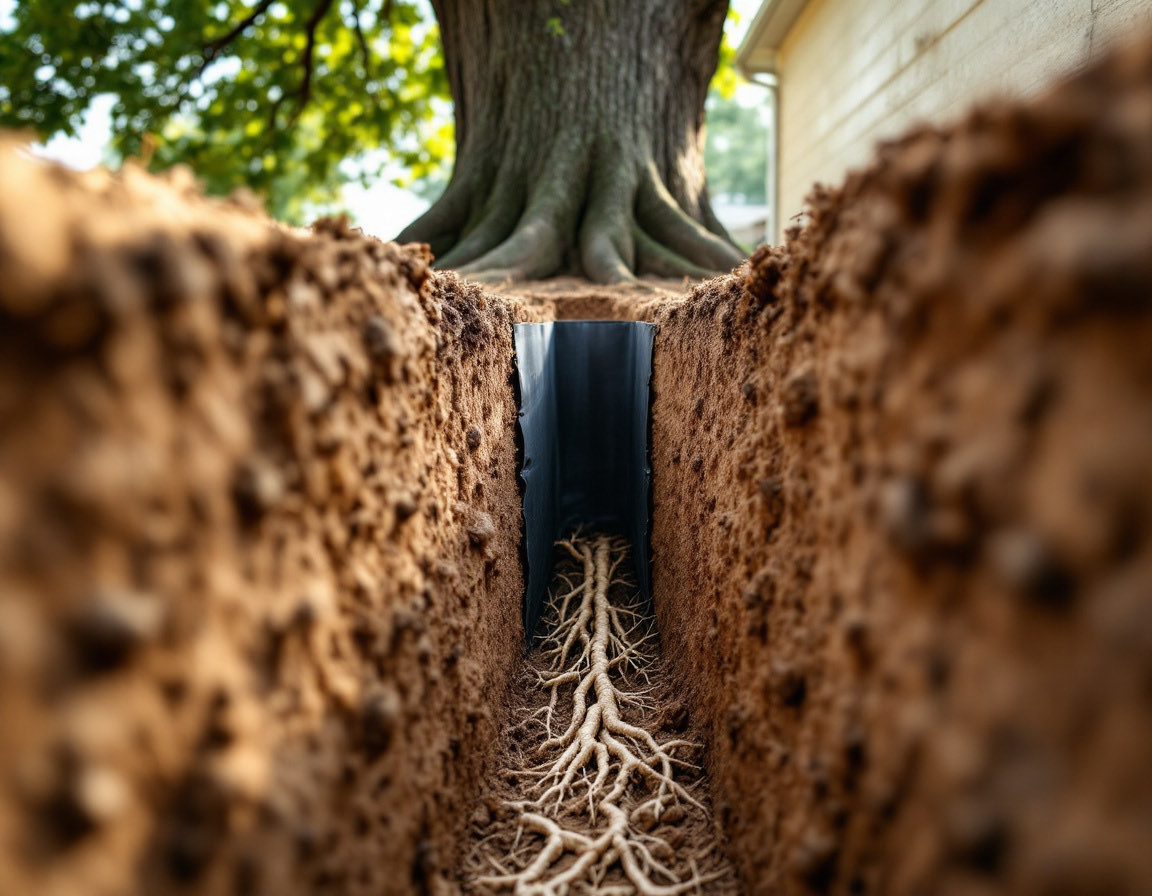
Stopping a big tree drinking the water out from under your slab
The evaluation is free and the answer is just as often that you do not need the work.