
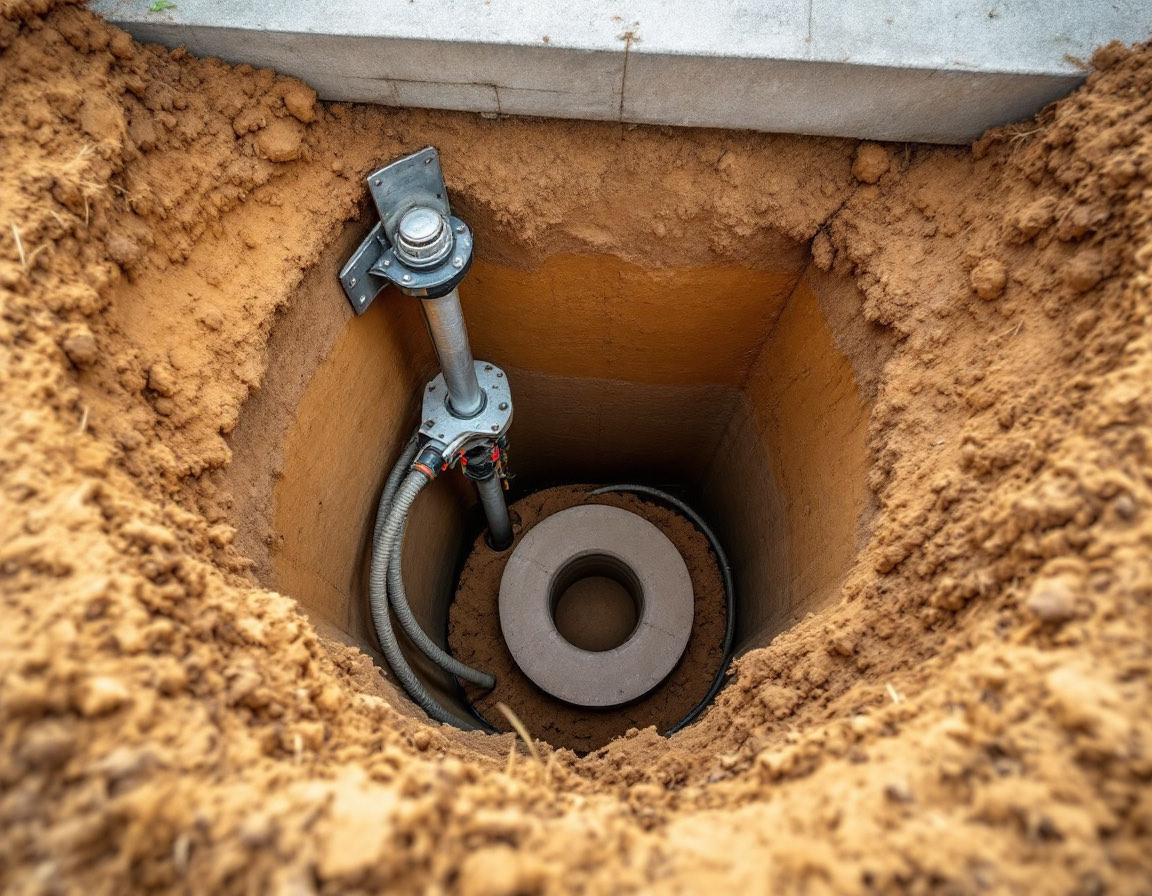
Slab foundation repair
Piers driven under a settling slab until it carries the house again
Keeping the soil around the slab at an even moisture level through a Concho Valley summer, so the clay stops shrinking away from under the house.
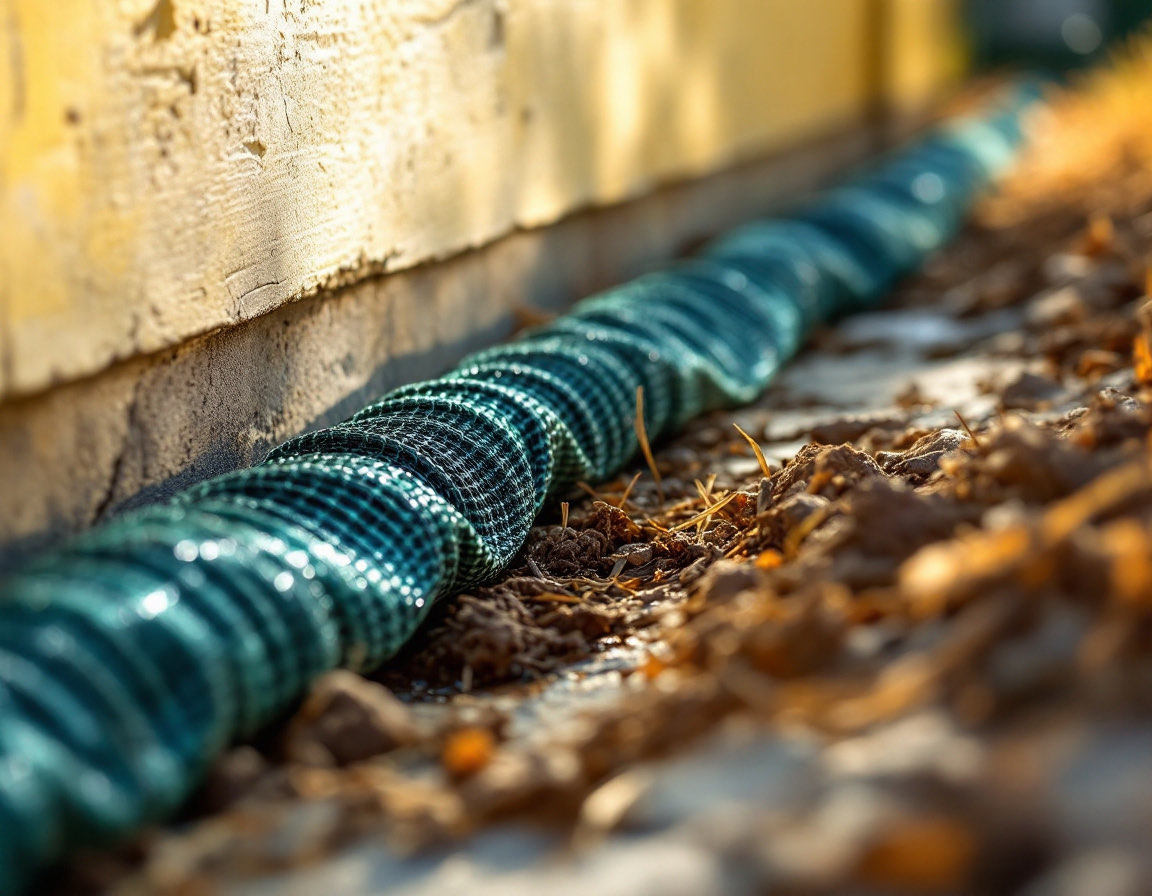
In a climate like this one, watering the foundation is not an odd idea — it is preventive maintenance. Clay shrinks as it dries, pulling away from the edges of the slab and leaving the perimeter less supported than the middle. A soaker line run on a schedule holds the moisture steady so that never gets far enough to matter.
The goal is consistency, not volume. Soaking bone-dry clay all at once makes it swell rapidly, which is the same damage in the opposite direction. Short and frequent beats occasional and heavy, every time.
This is also the one piece of foundation work you can do yourself for the price of a hose and a timer. We would rather tell you that than sell you something. A proper installed system is worth it when the yard is large, the schedule is hard to keep, or the coverage needs to be even all the way around — but the principle works either way.
The reason this matters more here than in most of the country is the length of the dry cycle. The USDA records the Tobosa clay near San Angelo as holding cracks open 210 or more cumulative days a year, and the Lipan clay southeast of town more than 150 cumulative days a year. That is not a dry spell, it is most of the year. Meanwhile the rainfall that would close those cracks arrives unevenly: 20.94 inches in a normal year, but as little as 7.41 inches in the driest on record.
Ground and climate facts on this page come from the USDA Natural Resources Conservation Service Official Soil Series Descriptions for the Tobosa, Lipan and Angelo series (all three mapped in Tom Green County) and from NOAA climate normals for San Angelo.
A soaker hose set 12 to 18 inches away from the slab edge wets the soil that actually supports the foundation. Right against the wall is too close; out in the lawn does nothing for the slab.
Uneven watering creates exactly the differential you are trying to prevent. The dry side matters as much as the shaded side that stays damp on its own.
Several short runs a week that keep the soil evenly damp, rather than one long flood. A timer is what makes it actually happen in August.
The Texas A&M Forest Service test: if a screwdriver will not push easily six to eight inches into the soil, it is time to water. Simplest gauge there is and it costs nothing.
More through the dry months, off when rain is doing the job. The aim is a steady moisture level year round, not a fixed schedule.
These are national market figures, published so you can tell whether a quote you receive is in a sane range. They are not San Angelo prices and they are not a quote for your house. Your own price is put in writing after somebody has measured your floors.
Cost figures from Angi's national foundation repair cost survey and HomeGuide's pier and beam repair cost data. See the full cost breakdown →
Piers driven under a settling slab until it carries the house again
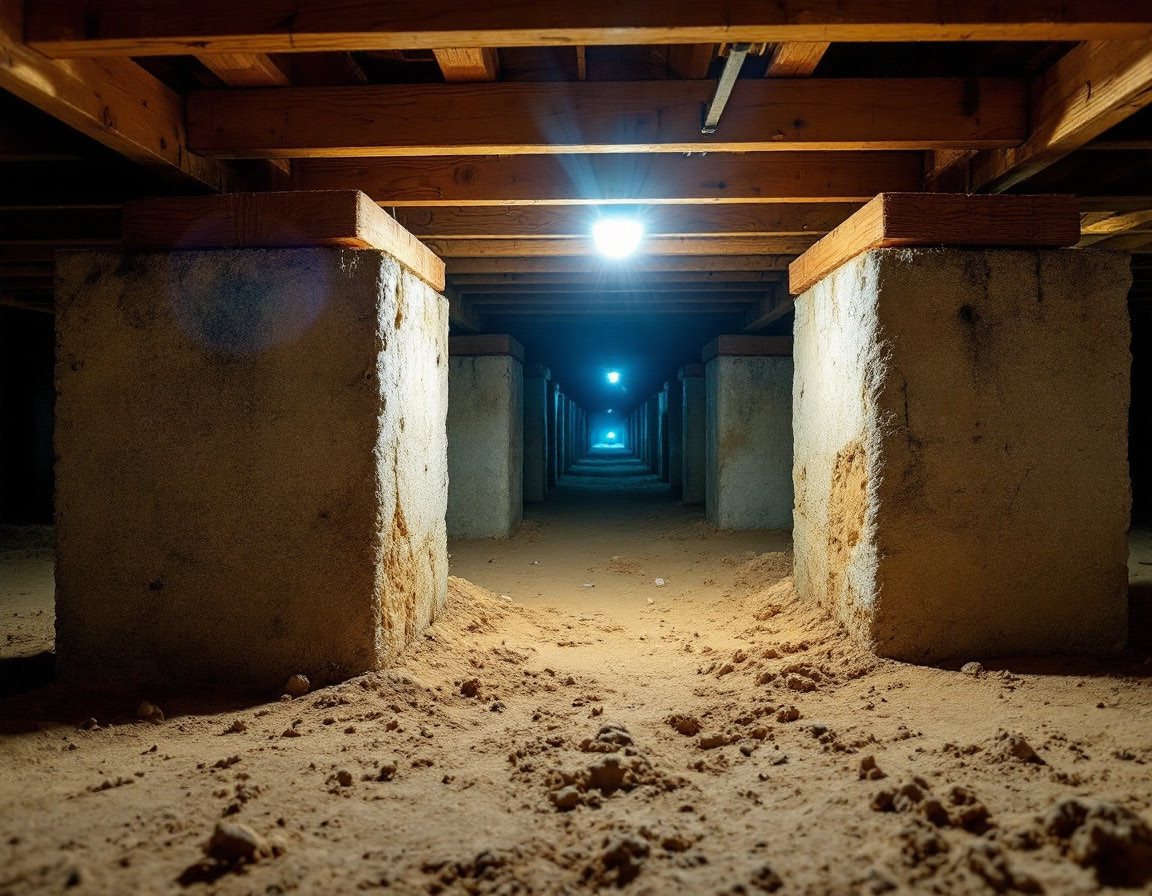
Sunken piers, sagging beams and floors that bounce when you walk

The whole structure brought back within tolerance, measured not eyeballed
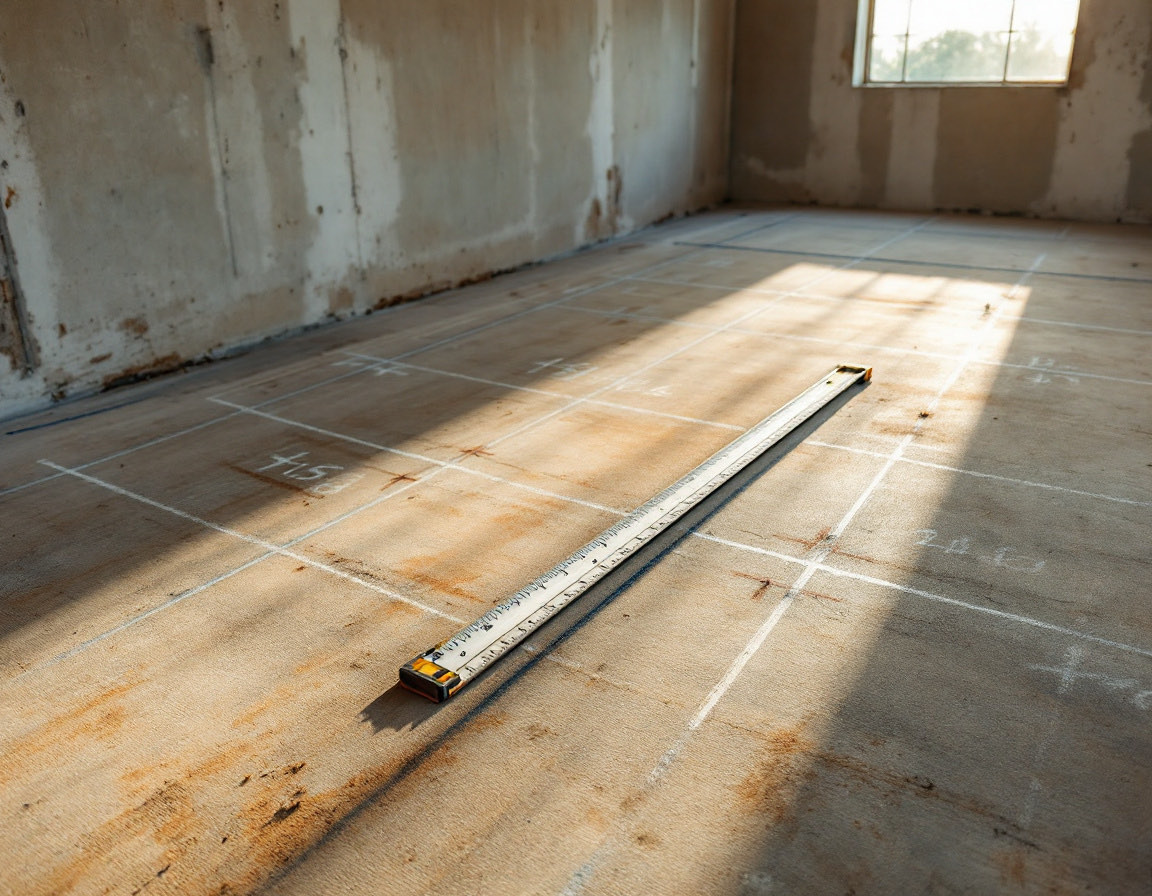
Measured floor elevations and a written report before anyone sells you piers
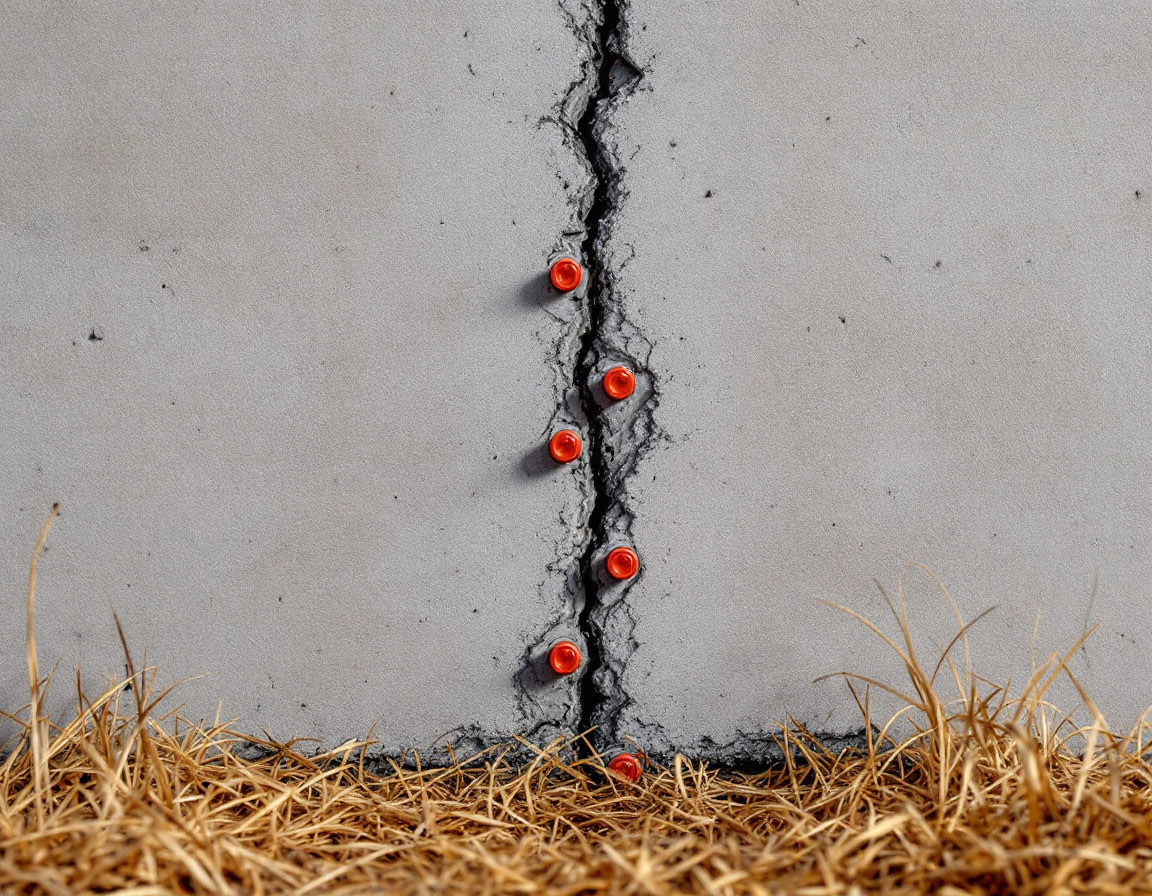
Slab, brick and drywall cracks closed after the movement is stopped
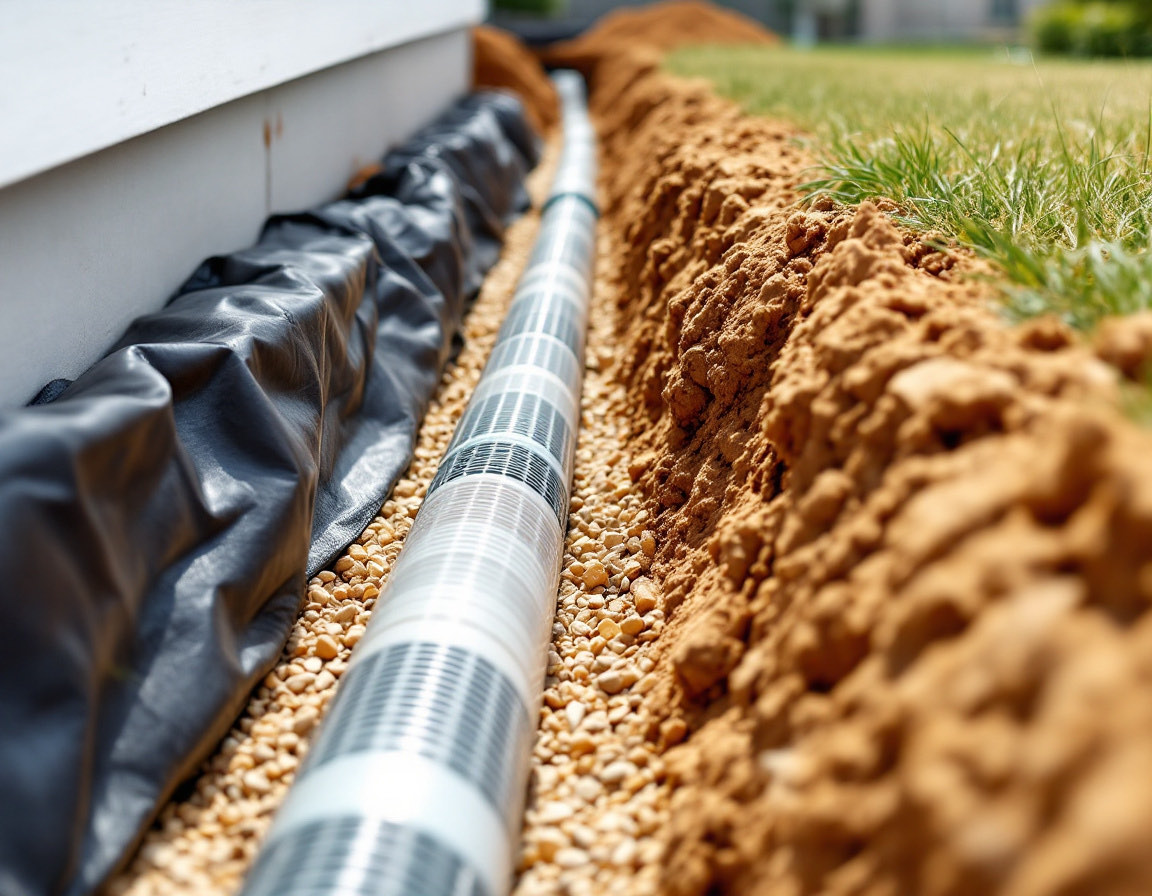
Getting rainwater away from the slab so the clay stops swinging
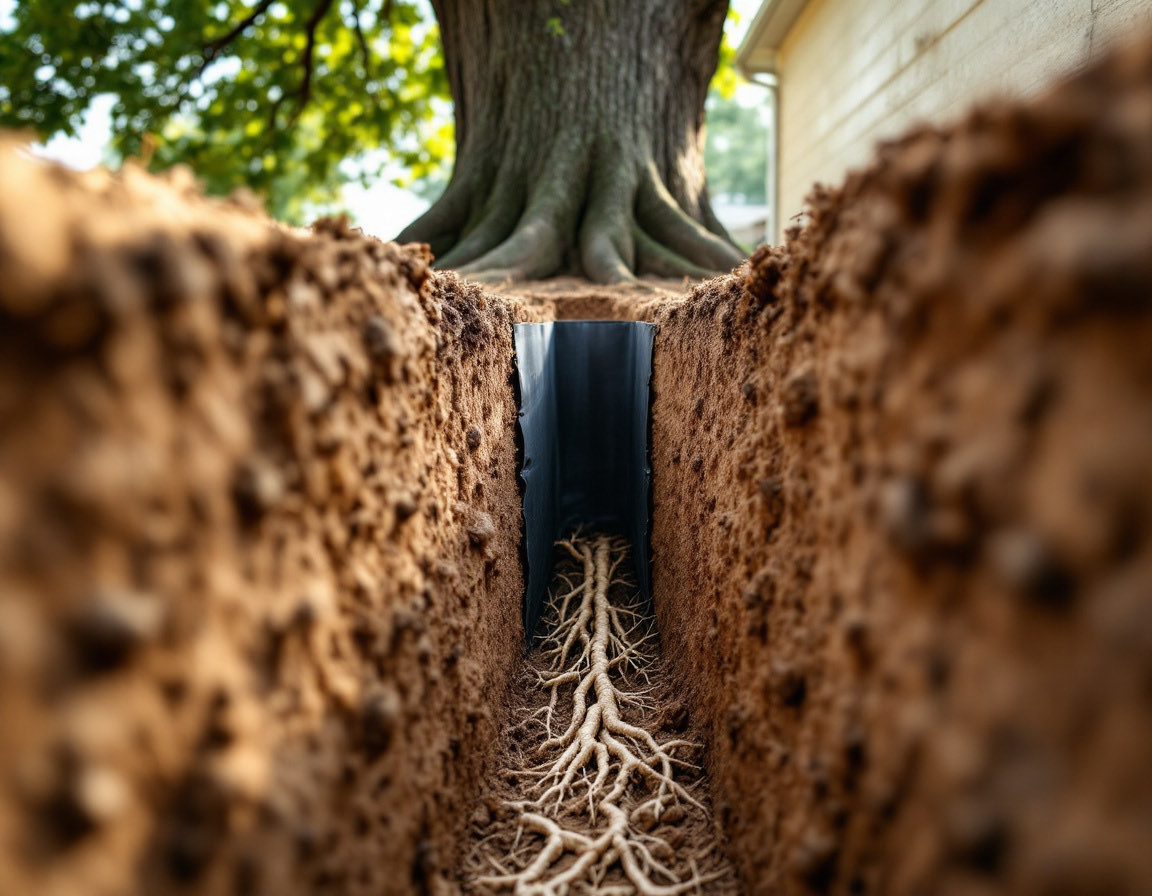
Stopping a big tree drinking the water out from under your slab
The evaluation is free and the answer is just as often that you do not need the work.