
Slab foundation repair
Piers driven under a settling slab until it carries the house again
Older San Angelo houses sit up off the ground on piers and beams. That is good news — the structure is reachable, and the repair is usually less invasive than slab work.
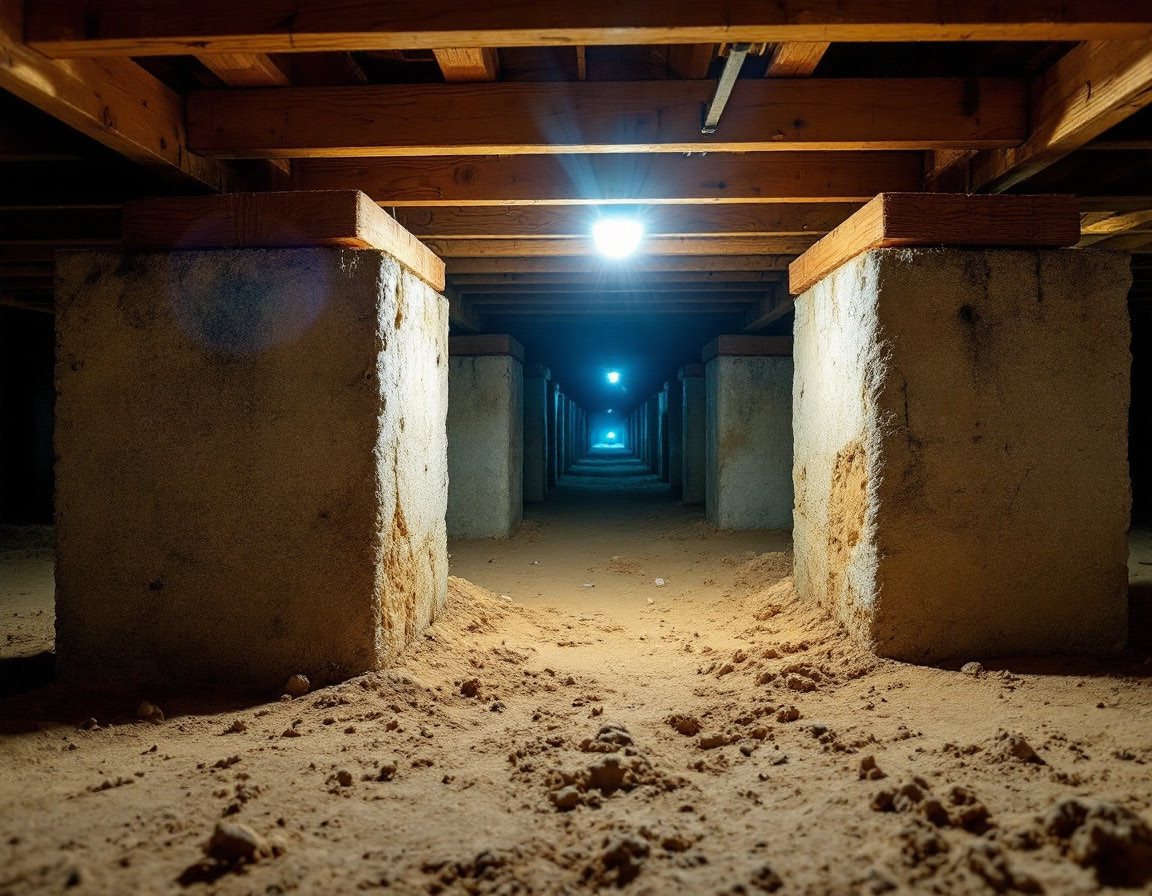
A pier and beam house has a crawl space: the floor is carried on wooden or steel beams, and those beams rest on piers spaced out beneath the house. When the floor starts to slope, sag in the middle of a room, or bounce as you walk across it, the cause is almost always down there — a pier that has settled into the clay, a beam that has sagged between supports, or wood that has taken on moisture and gone soft.
The advantage over a slab is access. Somebody can get underneath, look at every pier and beam, and see the actual problem instead of inferring it from cracks upstairs. That usually makes both the diagnosis more certain and the repair less disruptive.
The trap is treating the symptom. Shimming a sunken pier back to level takes an afternoon and feels like a fix, but if the pier settled because it is bearing on shrink-swell clay or because water is standing under the house, it will settle again — and the shim will have hidden the reason.
Crawl spaces in Tom Green County have a particular problem: the ground beneath them swings between extremes. San Angelo averages 20.94 inches of rain a year, but the record runs from 7.41 inches in 1956 to 35.72 inches in 2016. A pier footing sitting on Lipan clay — 40 to 60 percent clay, per the USDA, with cracks open more than 150 cumulative days a year — is being lifted and dropped on a cycle no timber floor above it can absorb forever.
Ground and climate facts on this page come from the USDA Natural Resources Conservation Service Official Soil Series Descriptions for the Tobosa, Lipan and Angelo series (all three mapped in Tom Green County) and from NOAA climate normals for San Angelo.
Every pier, beam and joist looked at directly. Settled piers, sagging or split beams, soft or rotted wood, and standing water are all recorded rather than assumed from what is happening upstairs.
The shape of the floor is taken room by room, so what is found underneath can be matched against what the floor is actually doing.
Piers that have settled are re-supported on a proper footing at a depth that holds. Where the wood has gone, it gets replaced rather than shimmed on top of.
Sagging spans are re-supported and the floor raised gradually, slowly enough that the finishes above do not crack.
If moisture put the piers or the wood in that condition, drainage and ventilation get addressed as part of the job. Otherwise the repair has a countdown on it.
These are national market figures, published so you can tell whether a quote you receive is in a sane range. They are not San Angelo prices and they are not a quote for your house. Your own price is put in writing after somebody has measured your floors.
Cost figures from Angi's national foundation repair cost survey and HomeGuide's pier and beam repair cost data. See the full cost breakdown →
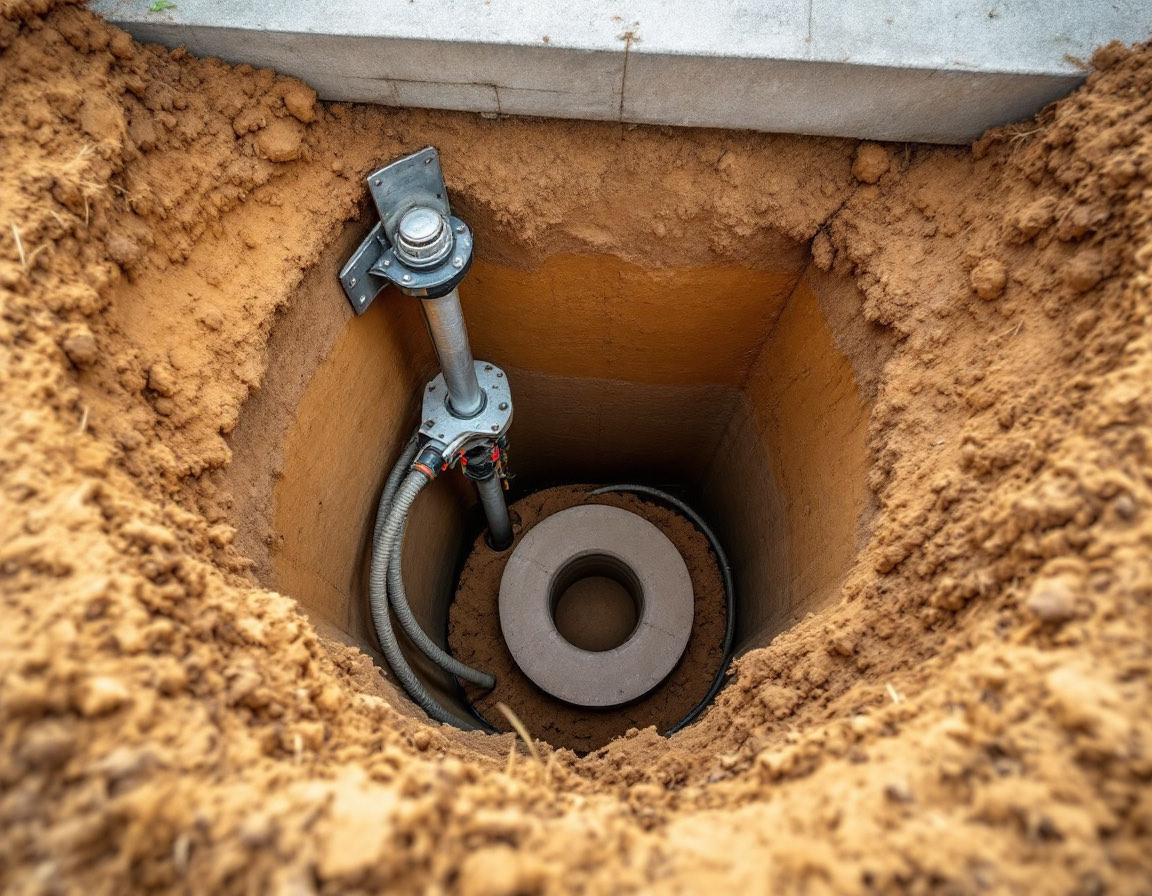
Piers driven under a settling slab until it carries the house again
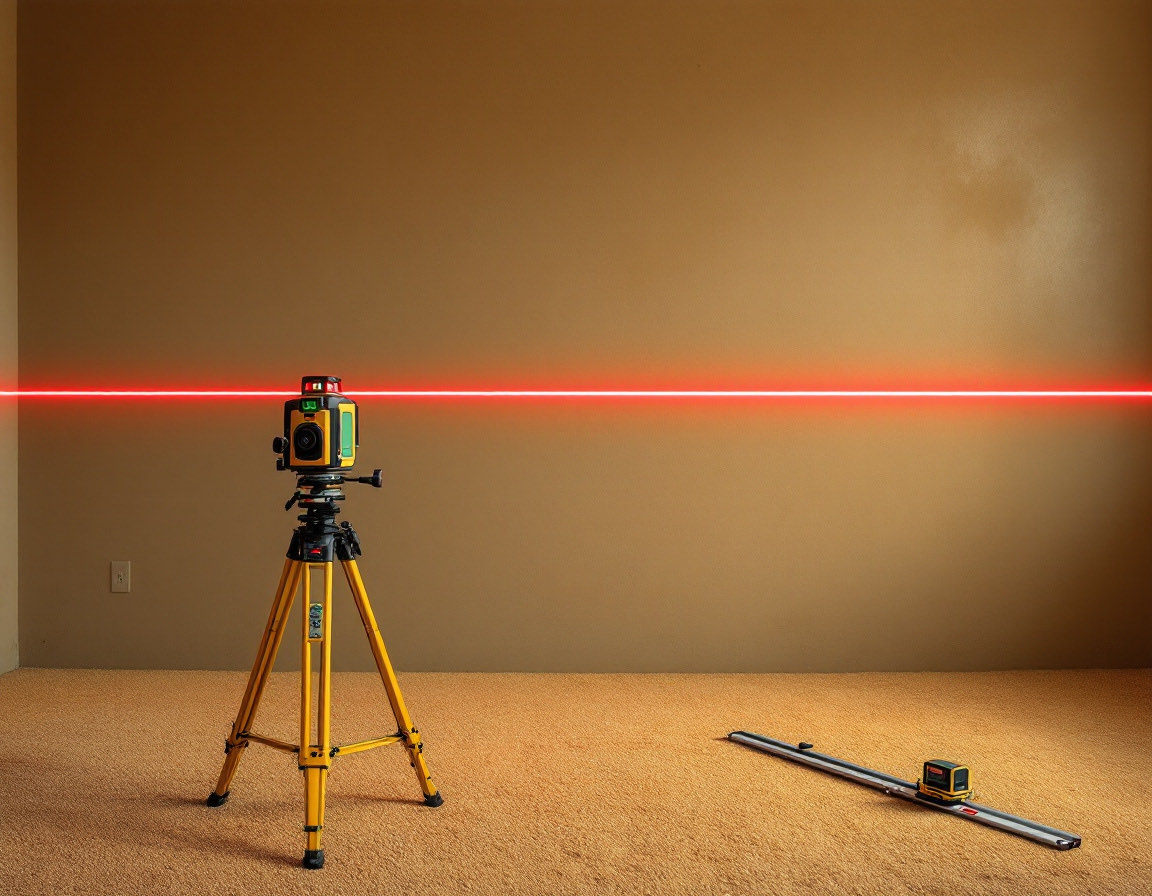
The whole structure brought back within tolerance, measured not eyeballed
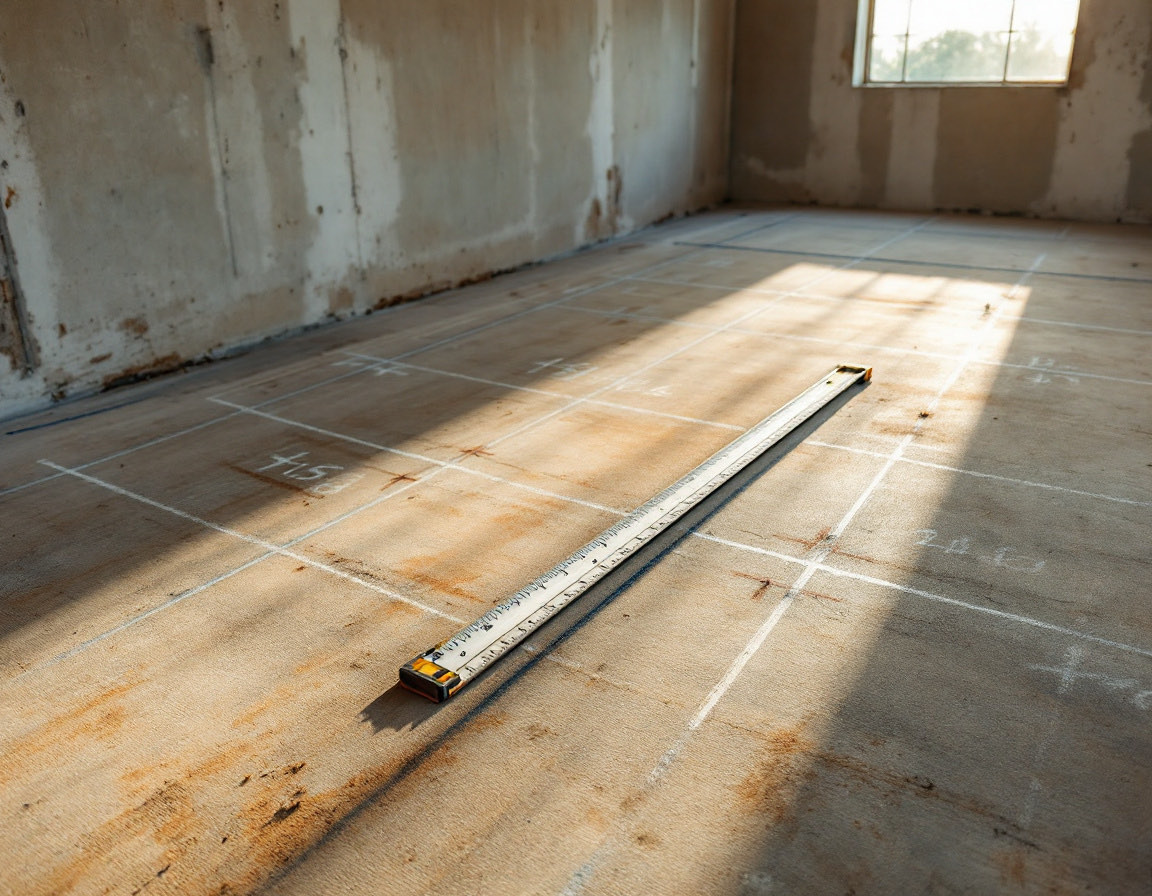
Measured floor elevations and a written report before anyone sells you piers
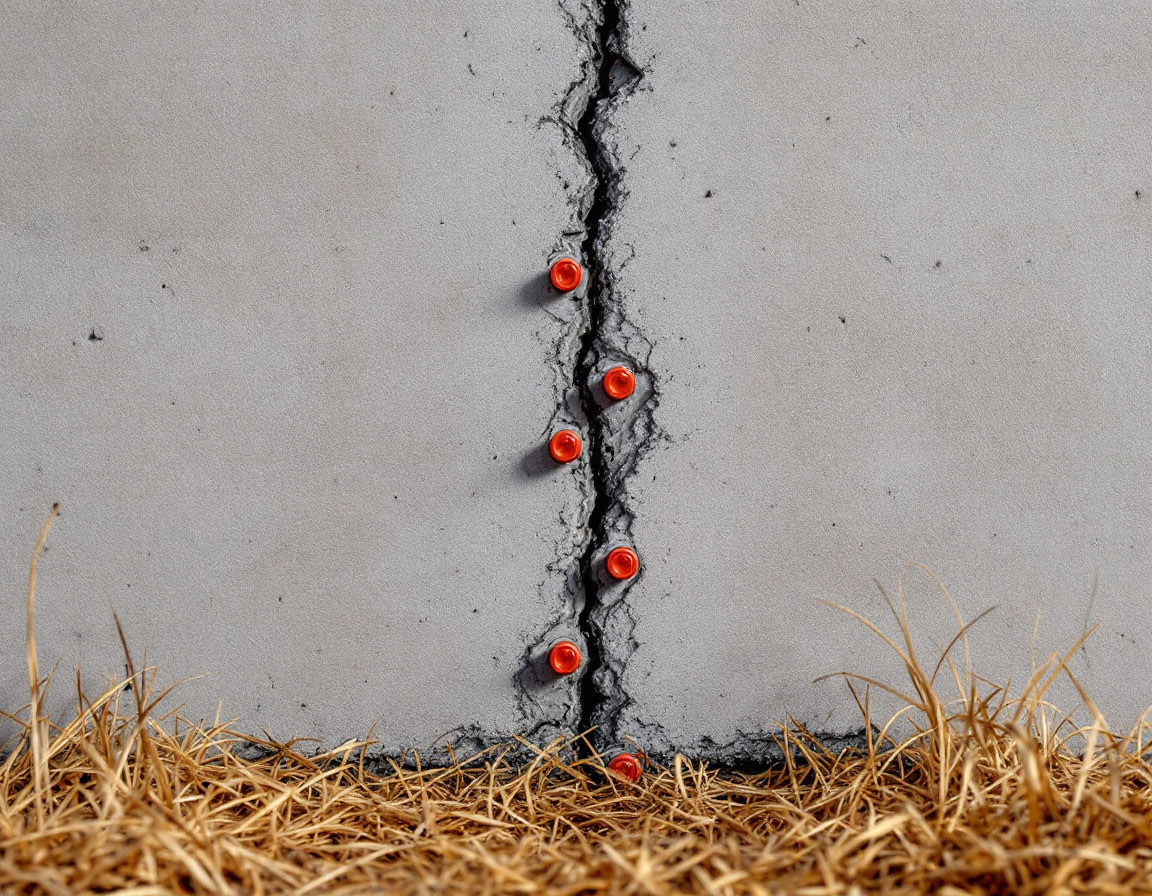
Slab, brick and drywall cracks closed after the movement is stopped
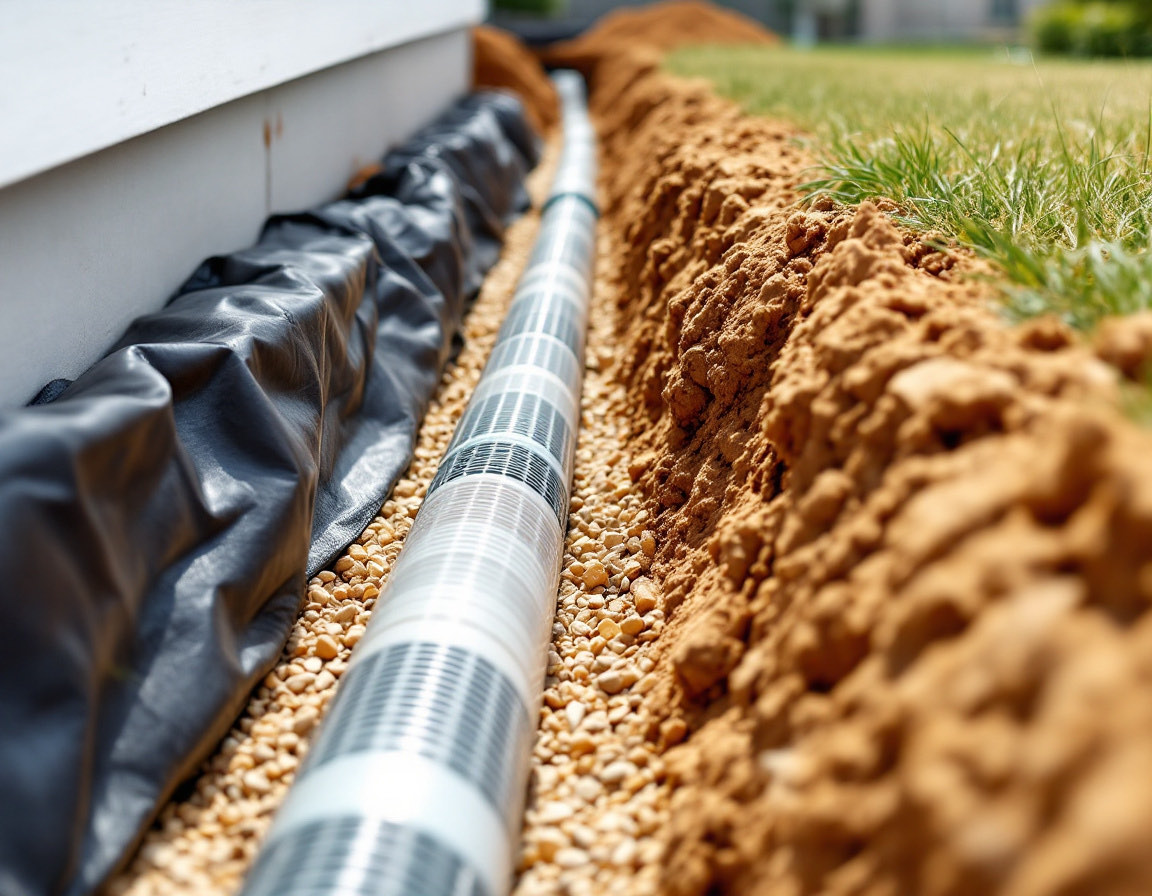
Getting rainwater away from the slab so the clay stops swinging
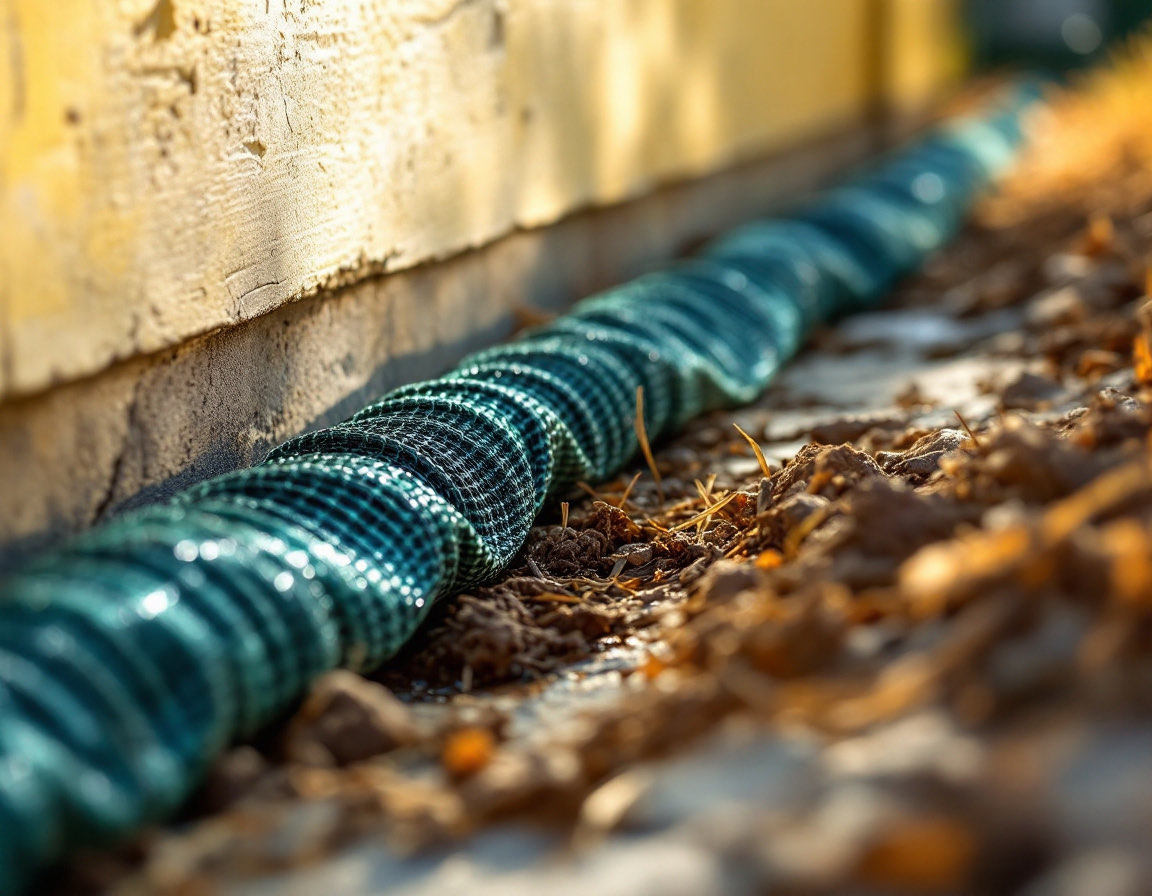
Soaker lines that hold soil moisture steady through a Concho Valley summer
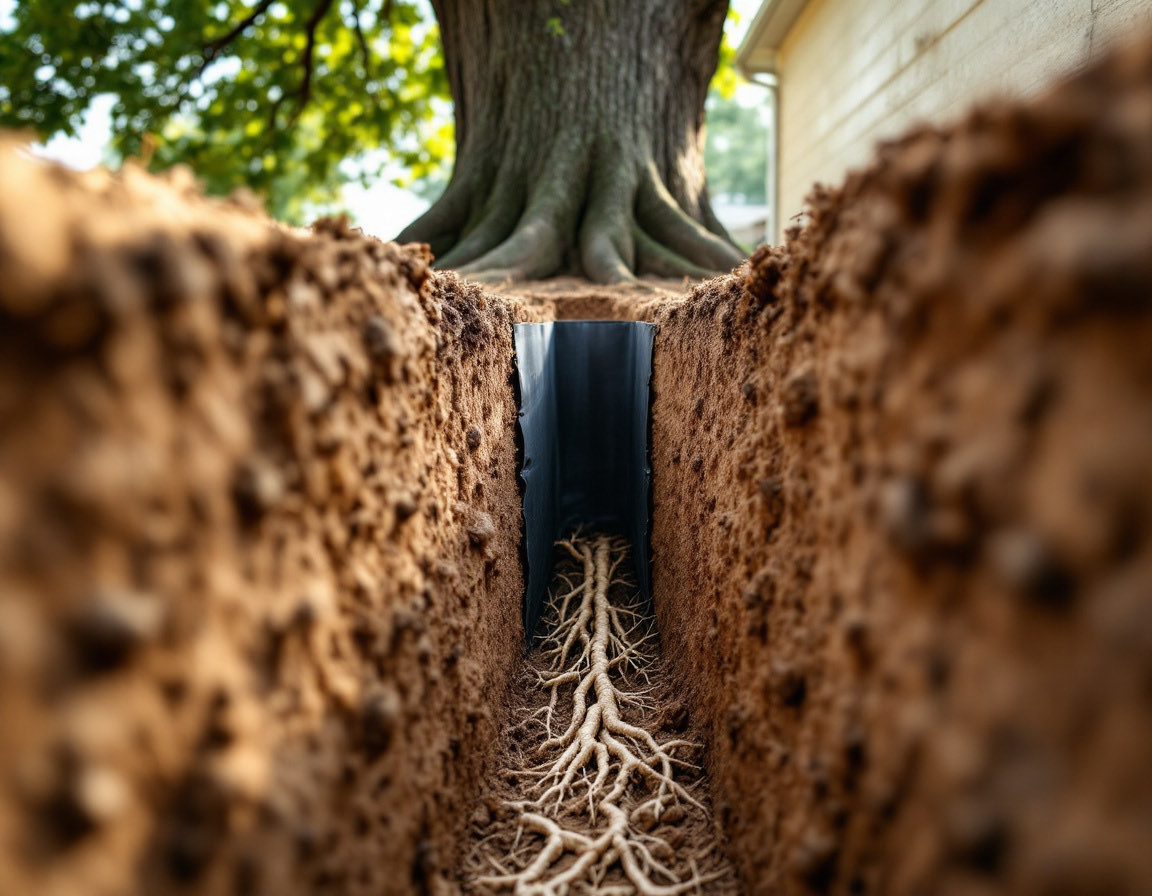
Stopping a big tree drinking the water out from under your slab
The evaluation is free and the answer is just as often that you do not need the work.