
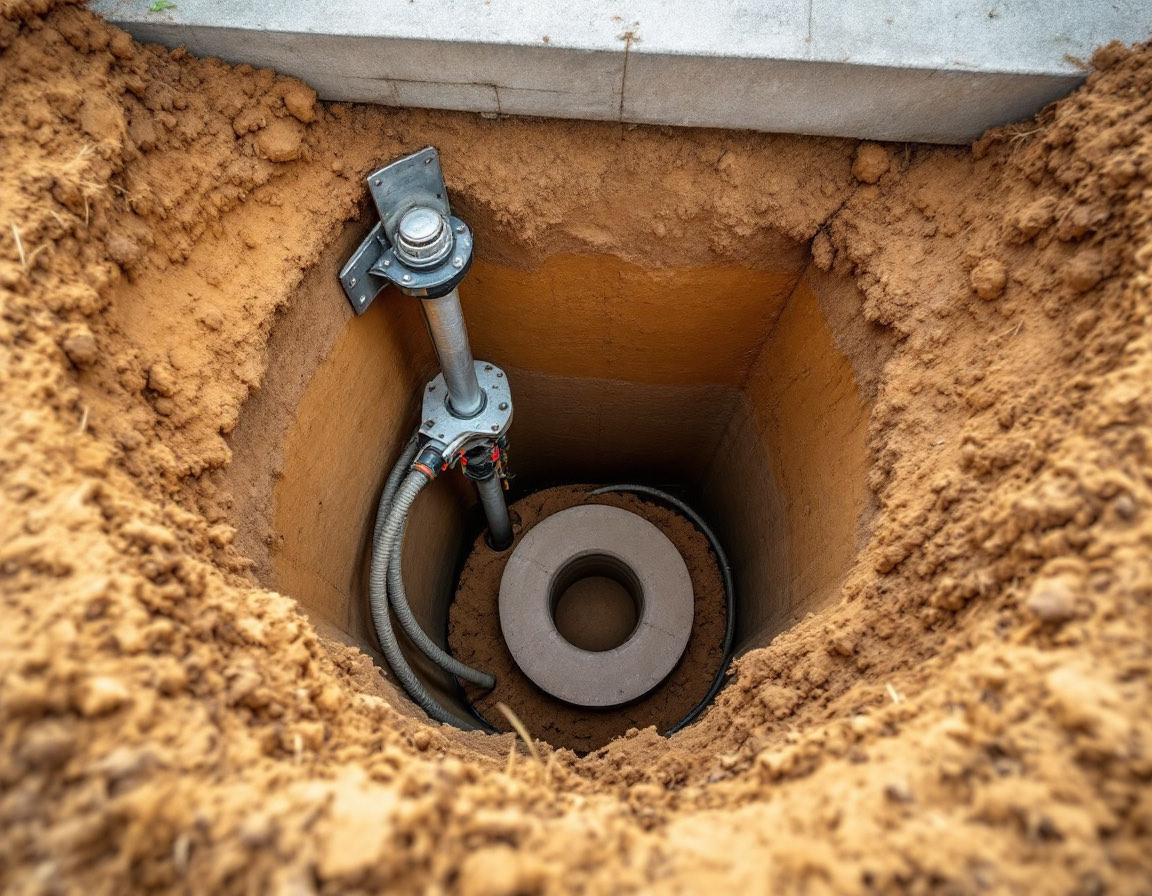
Slab foundation repair
Piers driven under a settling slab until it carries the house again
Before anybody sells you piers, get the house measured. The evaluation is free, and it is just as likely to tell you that you do not need work.
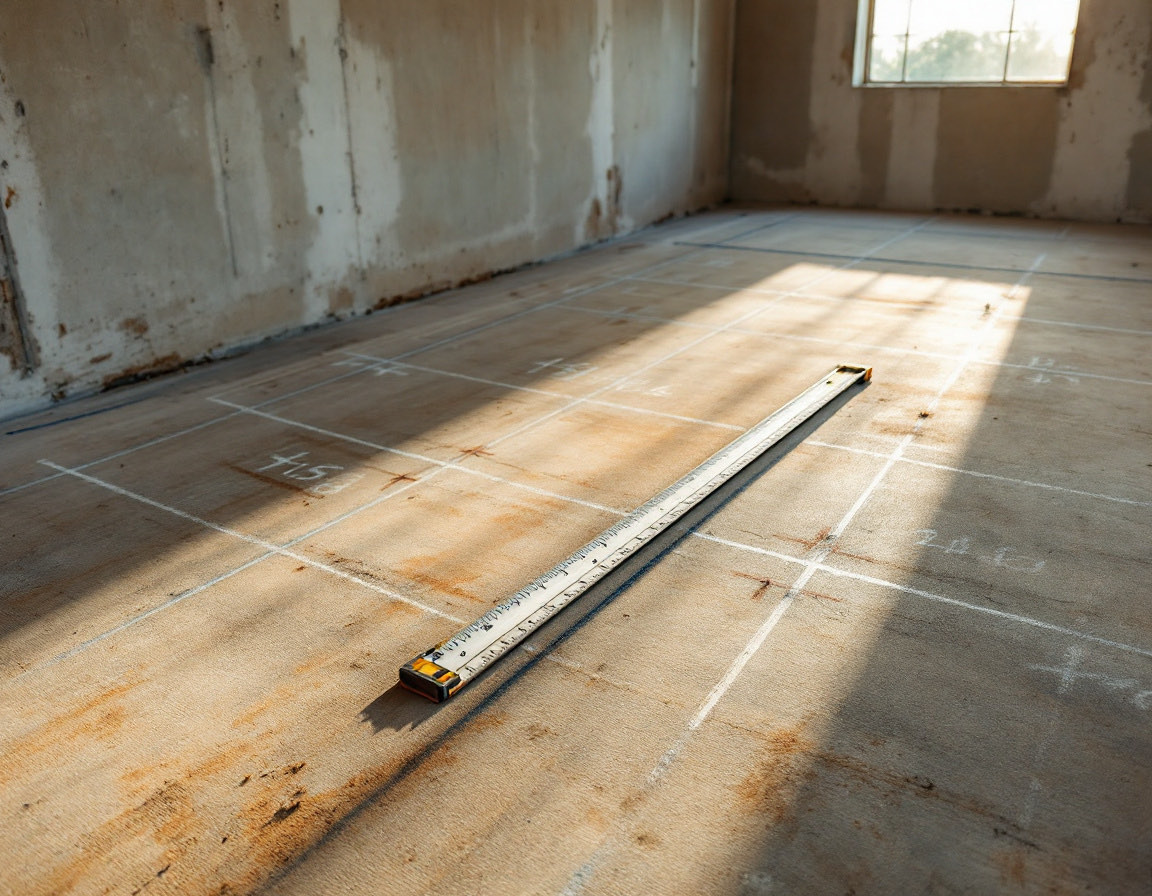
The most useful thing about a proper evaluation is that it can come back negative. Plenty of cracks are cosmetic, plenty of sloped floors have been sloped since the house was built, and plenty of people spend five figures on a problem they did not have. Measuring first is what tells the difference.
An evaluation is not a walk around the outside pointing at brickwork. It is a set of relative floor elevations across the house, a look at what the drainage and the trees are doing to the soil around it, and a written record of what was found — so you have something to hold, compare, and show the next contractor.
This is also the document that protects you later. When you sell, a buyer's inspector will ask what was done and whether it worked. A measured before-and-after answers that; a receipt for piers does not.
Texas gives you no license to check, which makes the evaluation the place where quality actually shows. The Texas Board of Professional Engineers points to the Texas Section ASCE Guidelines for the Evaluation and Repair of Residential Foundations, which set out three levels: Level A is interviews, document review, visual observation and a written report; Level B adds measured relative elevations, a scaled drawing, and calculated deflection and tilt against tolerances; Level C adds site-specific soil sampling and testing, plumbing testing, reinforcing assessment, a tree survey and a detailed distress survey. Knowing which one you are being given is the single most useful question you can ask.
Ground and climate facts on this page come from the USDA Natural Resources Conservation Service Official Soil Series Descriptions for the Tobosa, Lipan and Angelo series (all three mapped in Tom Green County) and from NOAA climate normals for San Angelo.
When the signs started, whether they are getting worse, what has been done before, and what changed around the house — a new tree, a new patio, a plumbing leak, a drought.
Relative floor elevations taken across the house, plus the crack pattern recorded where it is — which walls, which direction, how wide.
Grading, gutters and downspouts, where water goes in a storm, gaps between soil and slab, and any tree close enough to be drawing water from under the foundation.
What was found, what it means, and whether it needs work now, watching, or nothing at all. In writing, so it is yours to compare.
These are national market figures, published so you can tell whether a quote you receive is in a sane range. They are not San Angelo prices and they are not a quote for your house. Your own price is put in writing after somebody has measured your floors.
Cost figures from Angi's national foundation repair cost survey and HomeGuide's pier and beam repair cost data. See the full cost breakdown →
Piers driven under a settling slab until it carries the house again
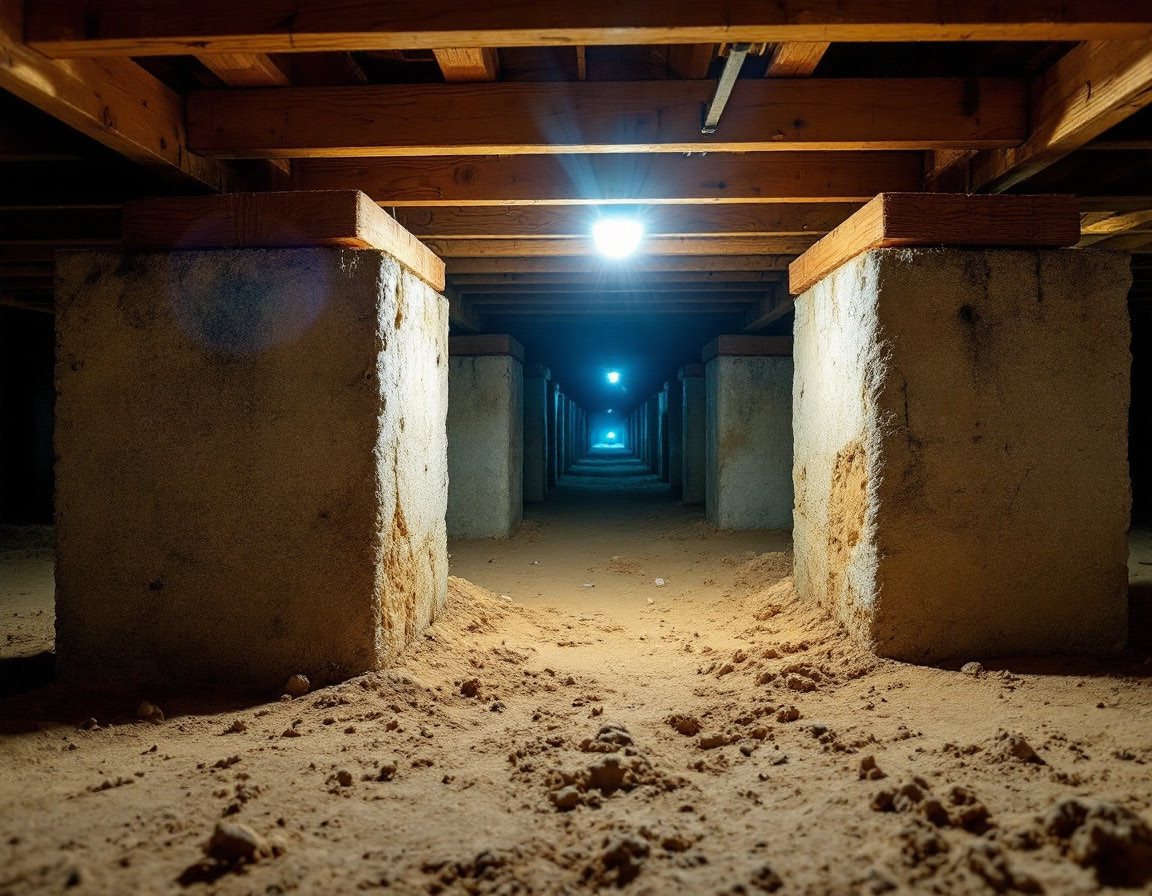
Sunken piers, sagging beams and floors that bounce when you walk
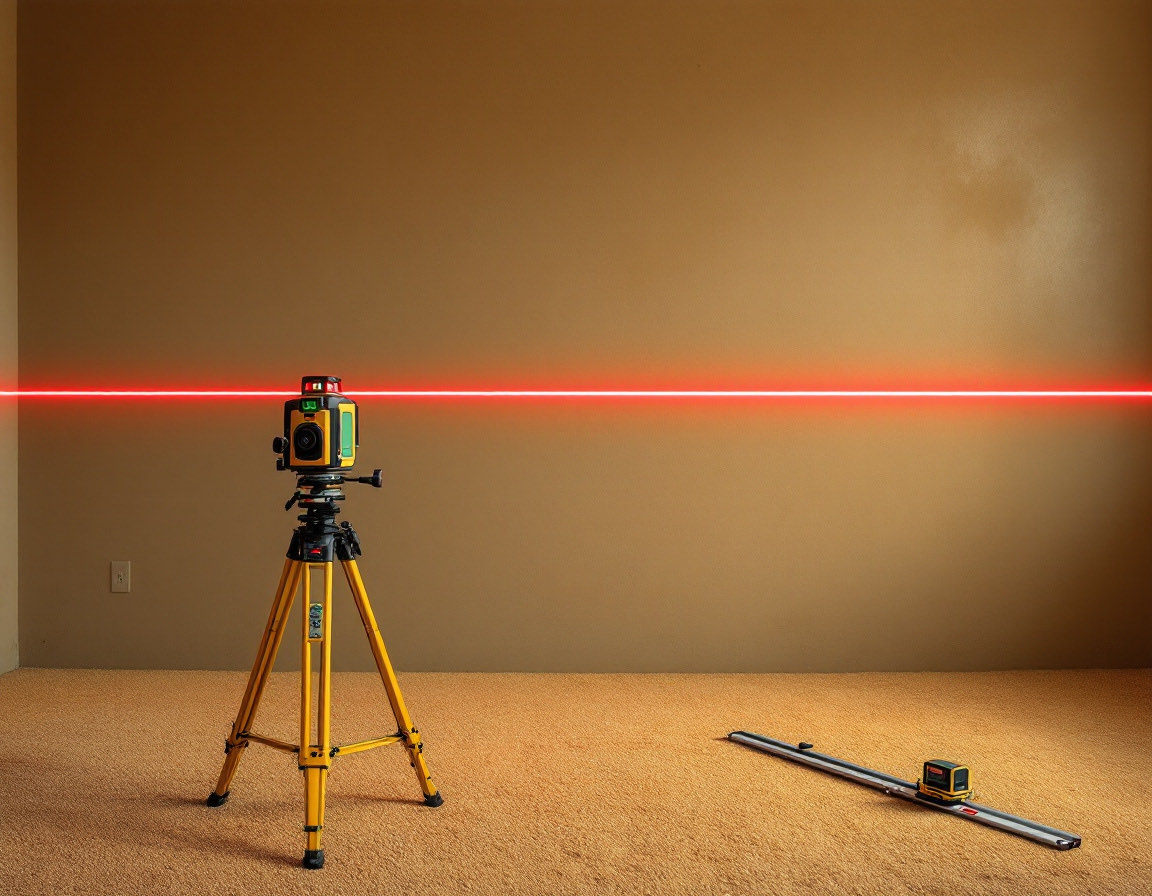
The whole structure brought back within tolerance, measured not eyeballed
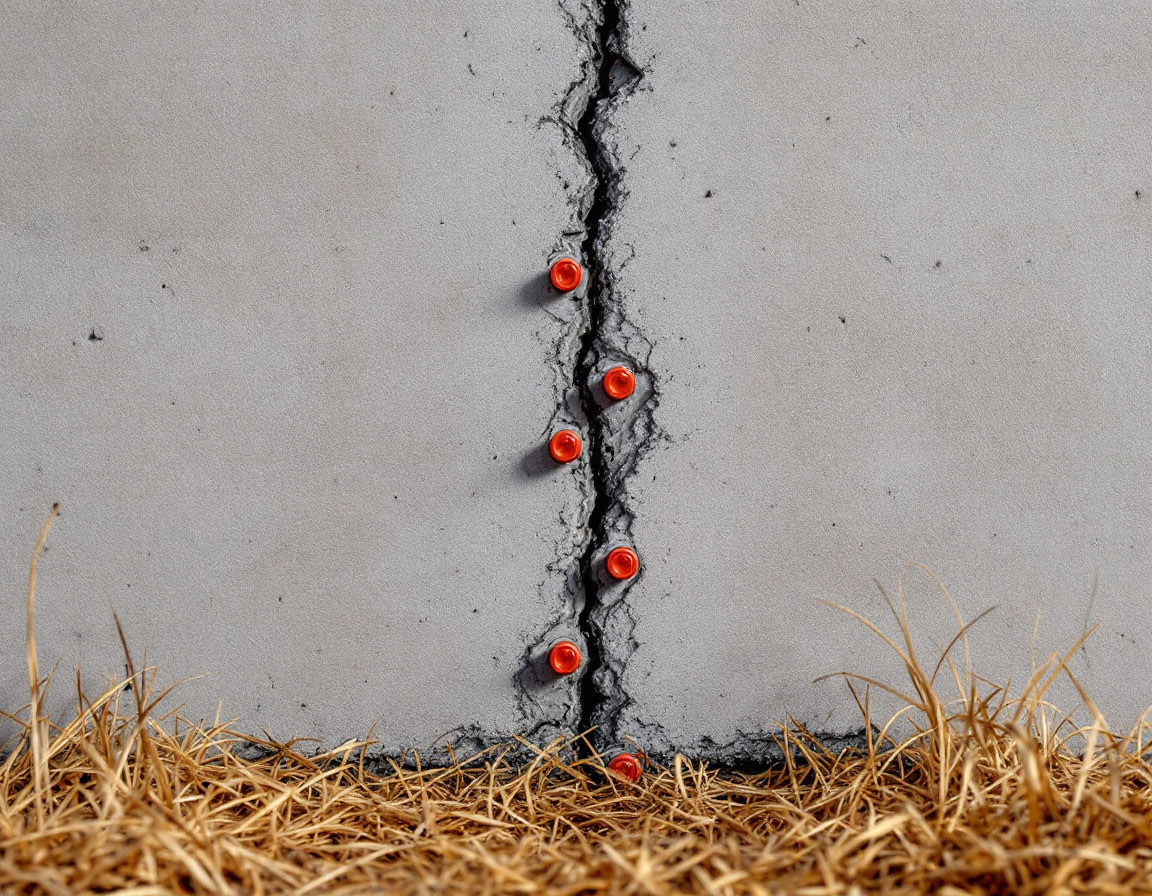
Slab, brick and drywall cracks closed after the movement is stopped
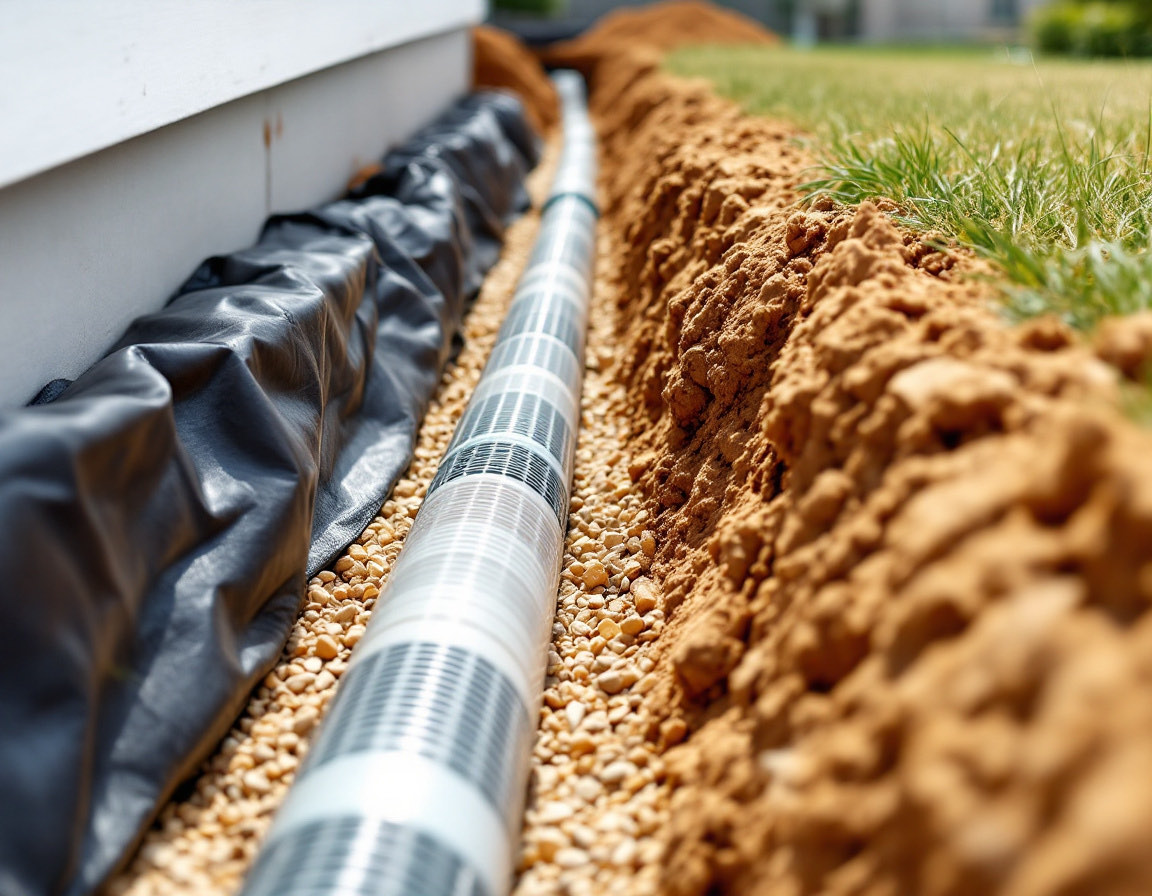
Getting rainwater away from the slab so the clay stops swinging
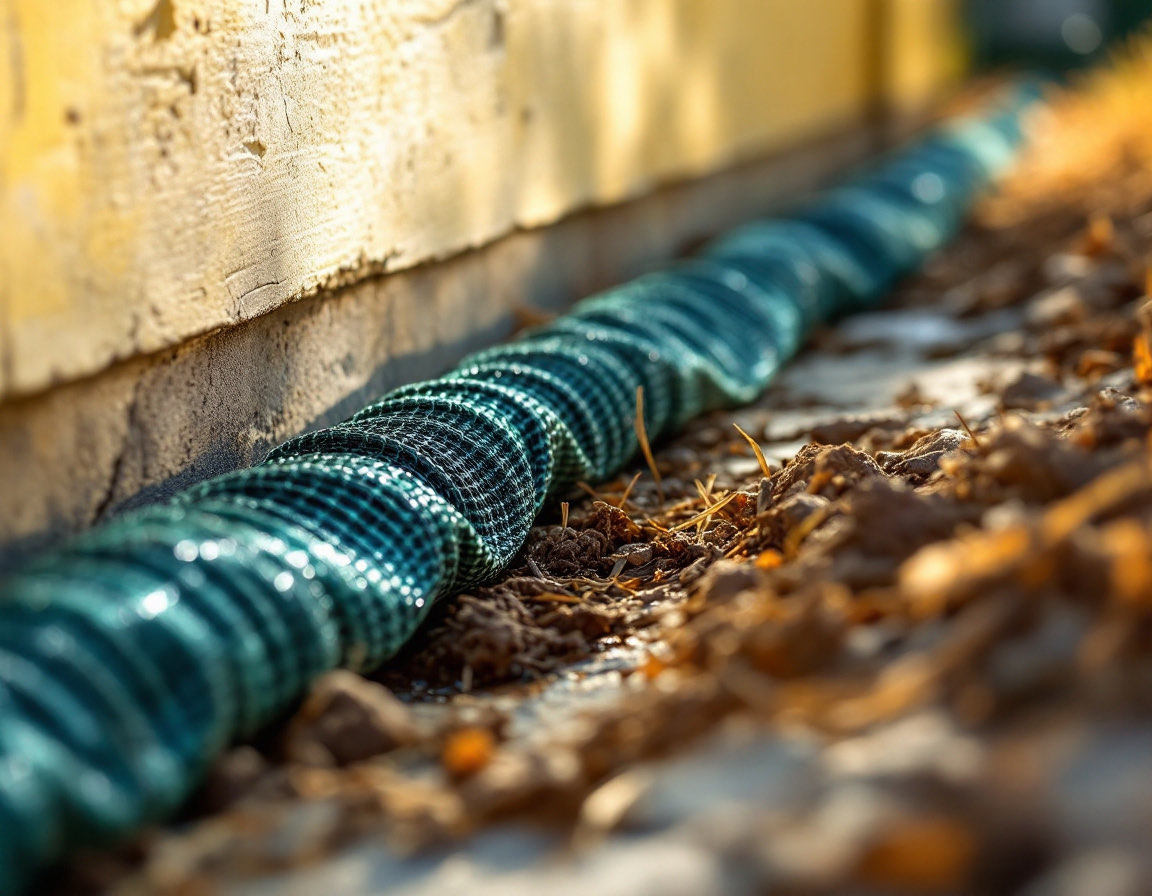
Soaker lines that hold soil moisture steady through a Concho Valley summer
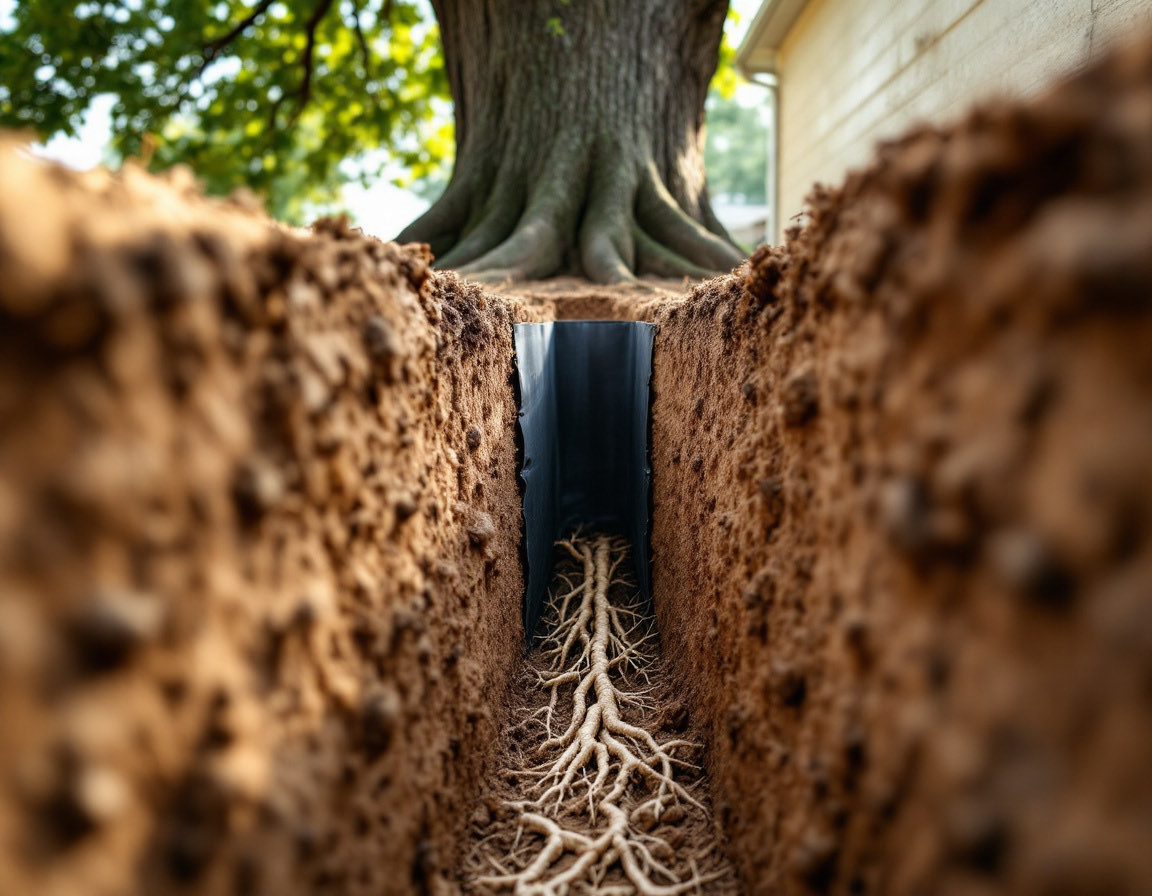
Stopping a big tree drinking the water out from under your slab
The evaluation is free and the answer is just as often that you do not need the work.