
Slab foundation repair
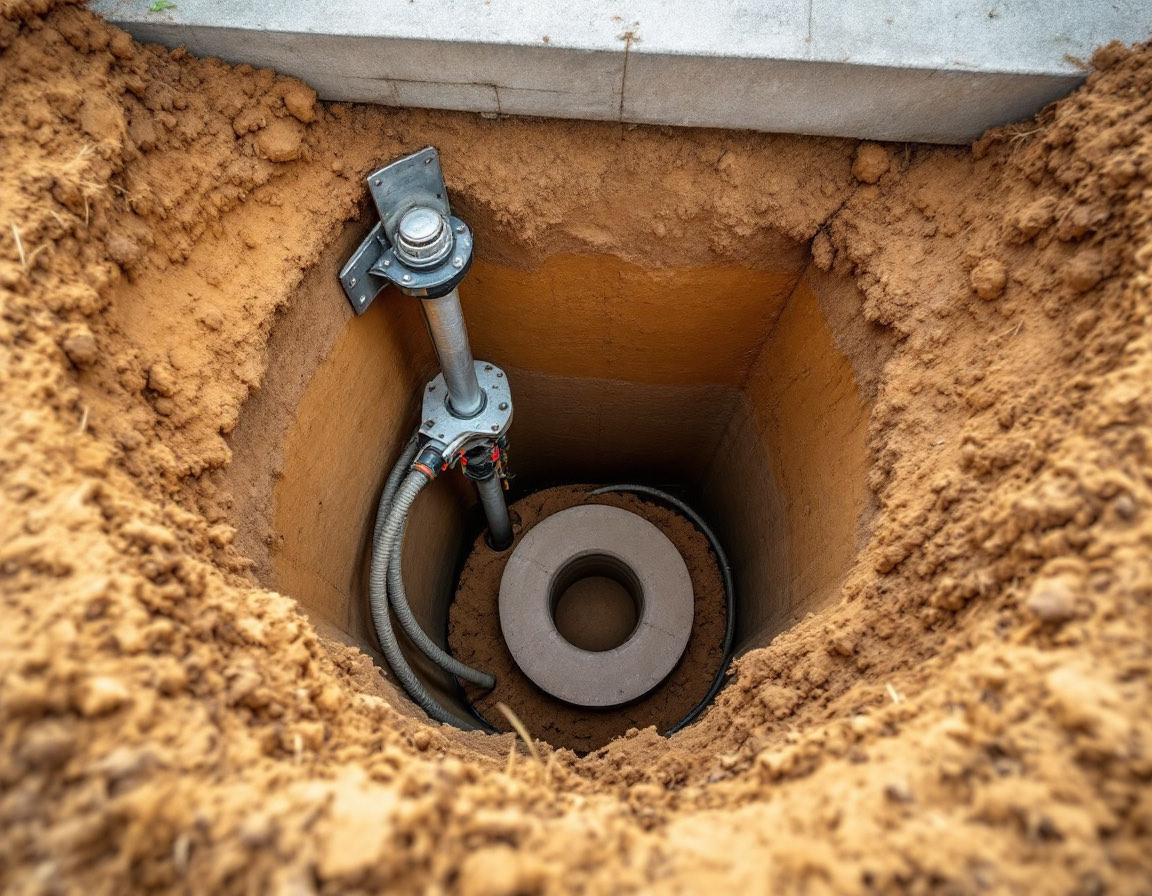
Piers driven under a settling slab until it carries the house again
Cracks are the symptom. Closing them without stopping the movement means doing the work twice.
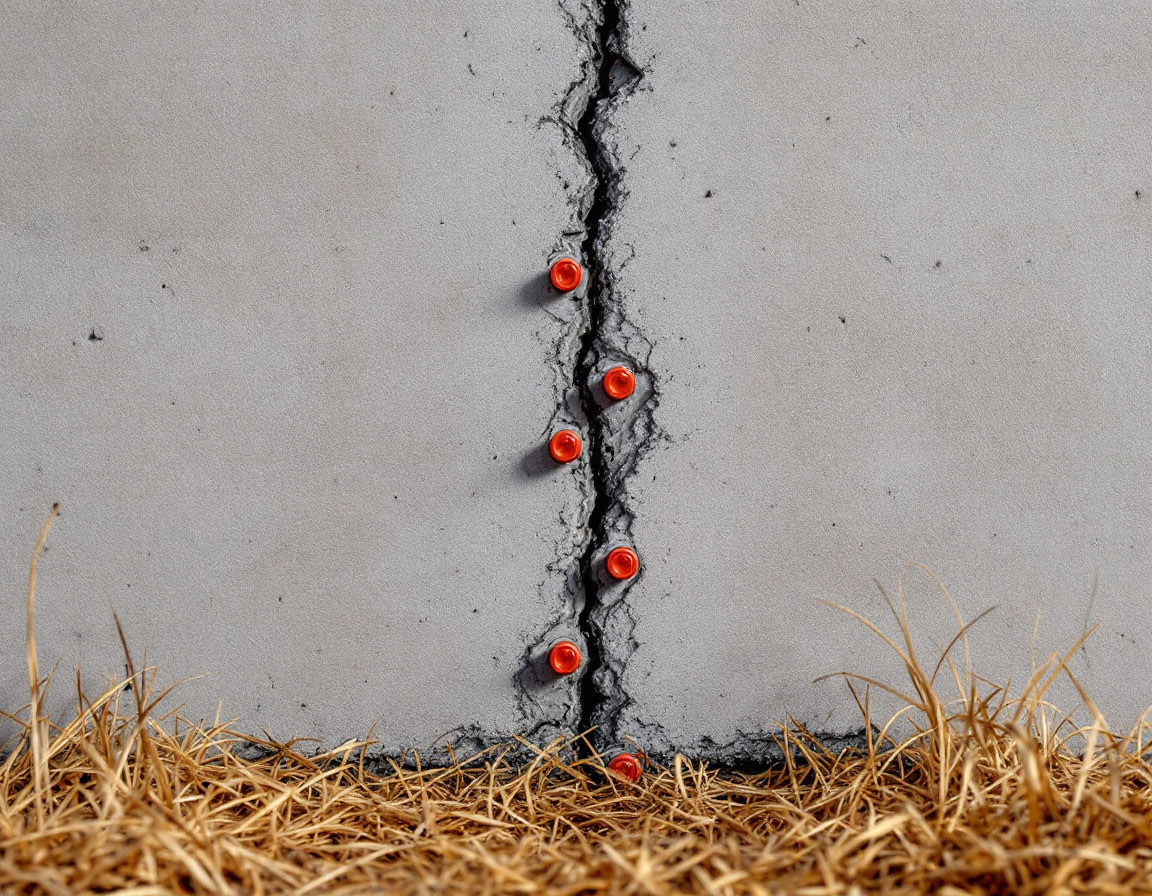
Cracks are how a house tells you something moved. Filling them changes the message without changing the fact, which is why the order matters: work out whether the movement is ongoing, deal with that if it is, and repair the cracks afterward.
That said, not every crack means trouble. Hairline cracks in drywall tape, fine cracks along mortar joints and shrinkage cracks in a slab that appeared in the first year or two are usually cosmetic. The pattern is what distinguishes them from the ones that matter.
Where cracks are structural, sealing has a second job beyond appearance: keeping water out. Water moving through a crack in a slab or a foundation wall attacks reinforcing steel and softens the soil right where it should be firmest.
The reason cracks show up so readily on San Angelo houses is that the ground itself is doing the same thing on a larger scale. The USDA description of the Tobosa clay mapped near San Angelo records cracks 0.3 to 1 inch wide reaching 20 to 60 inches down, staying open 210 or more cumulative days a year. When the soil supporting one part of a slab opens up like that and the soil under another part does not, the concrete between them takes the difference — and concrete answers that by cracking.
Ground and climate facts on this page come from the USDA Natural Resources Conservation Service Official Soil Series Descriptions for the Tobosa, Lipan and Angelo series (all three mapped in Tom Green County) and from NOAA climate normals for San Angelo.
Direction, width, location and whether it is still moving. Diagonal cracks from the corners of doors and windows, and stair-step cracks through brick mortar, indicate movement. Fine vertical drywall cracks usually do not.
Measured floor elevations and, where useful, monitoring a crack over time. A stable old crack and an actively widening one need completely different responses.
If the house is moving, that gets addressed before cosmetic repair. Otherwise the repair fails and takes your confidence in the contractor with it.
Structural cracks in concrete are repaired with epoxy or polyurethane injection that fills the full depth and bonds. Surface caulk hides a crack and lets water keep working behind it.
Brick and mortar repointed to match, drywall taped and finished, once the structure underneath is settled.
These are national market figures, published so you can tell whether a quote you receive is in a sane range. They are not San Angelo prices and they are not a quote for your house. Your own price is put in writing after somebody has measured your floors.
Cost figures from Angi's national foundation repair cost survey and HomeGuide's pier and beam repair cost data. See the full cost breakdown →
Piers driven under a settling slab until it carries the house again
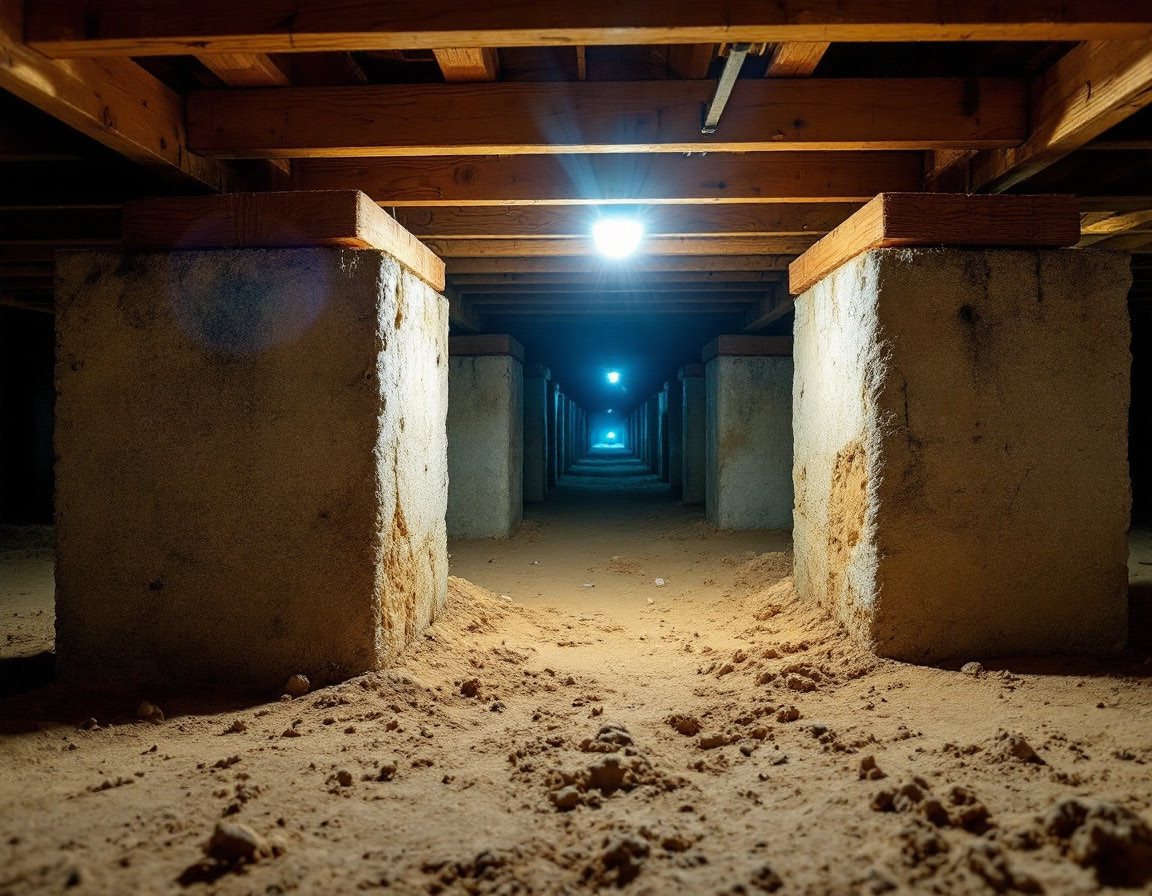
Sunken piers, sagging beams and floors that bounce when you walk

The whole structure brought back within tolerance, measured not eyeballed
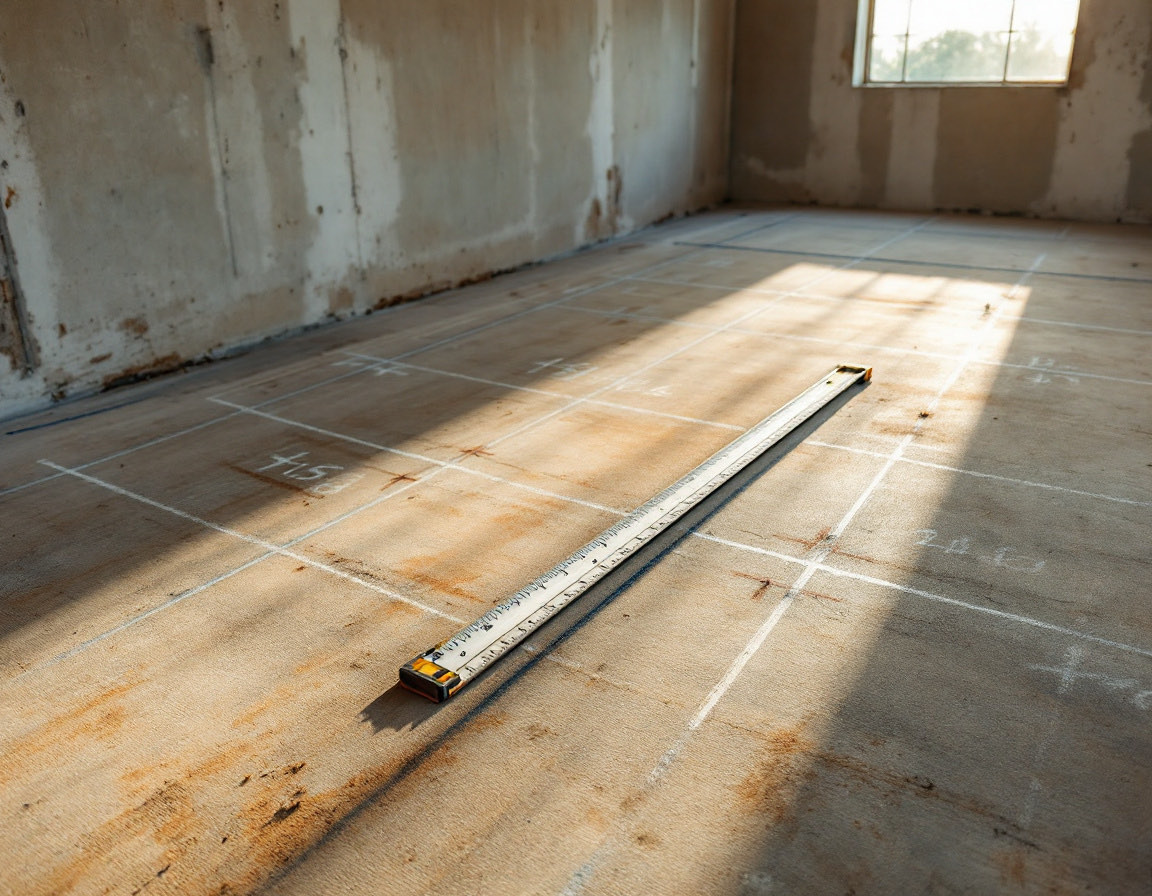
Measured floor elevations and a written report before anyone sells you piers
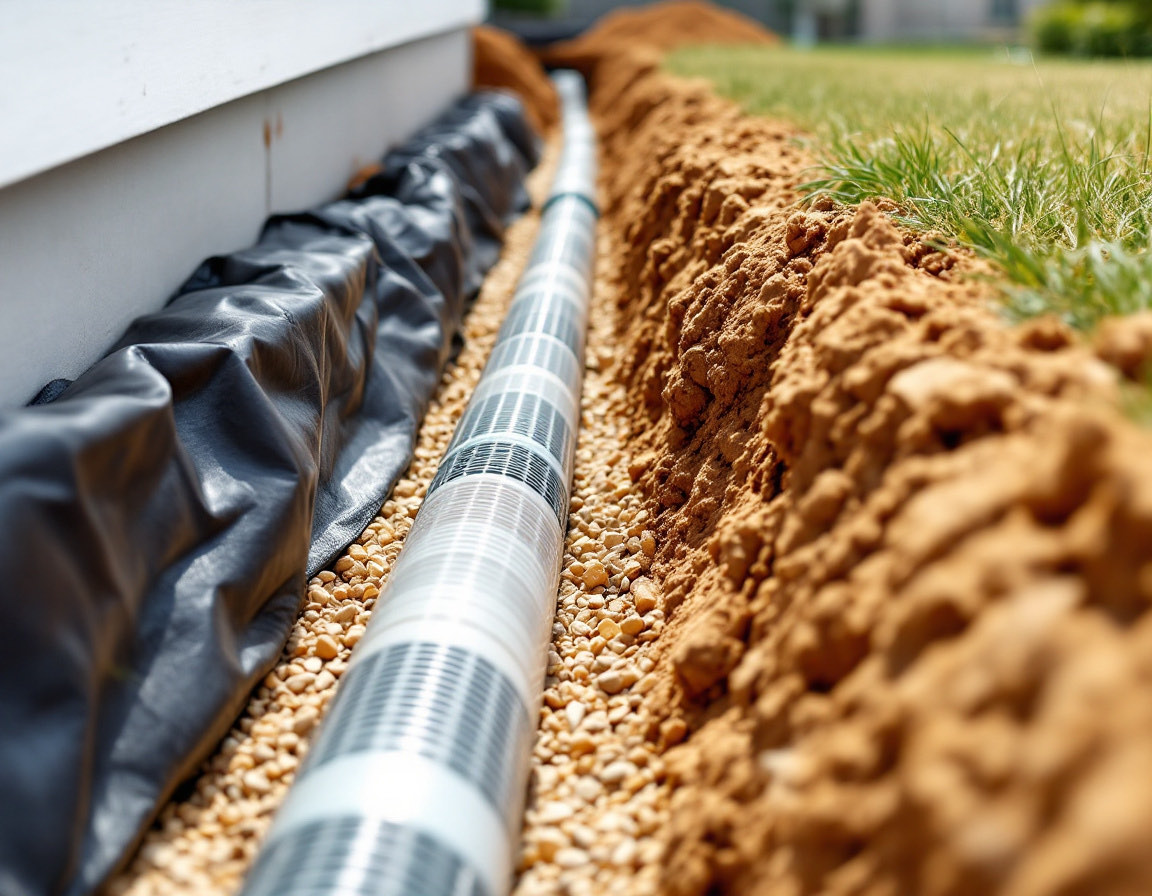
Getting rainwater away from the slab so the clay stops swinging
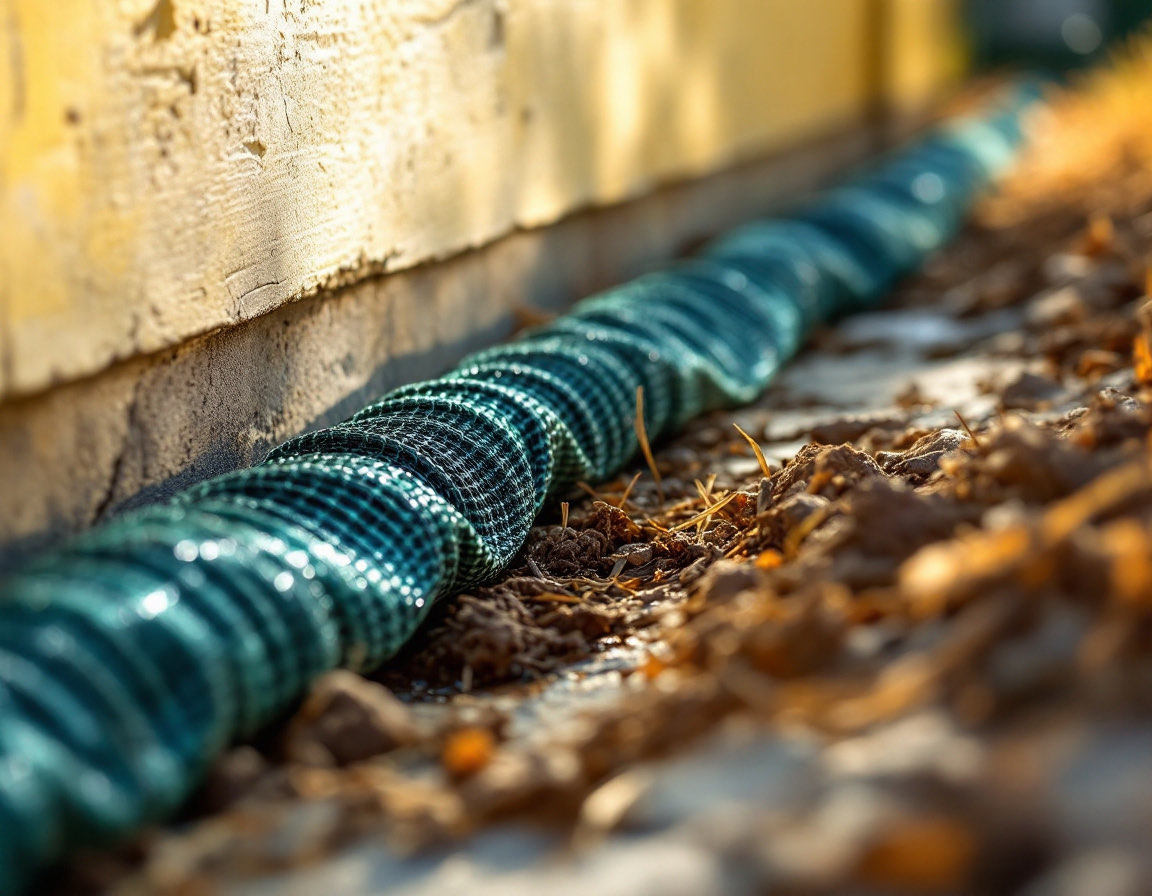
Soaker lines that hold soil moisture steady through a Concho Valley summer
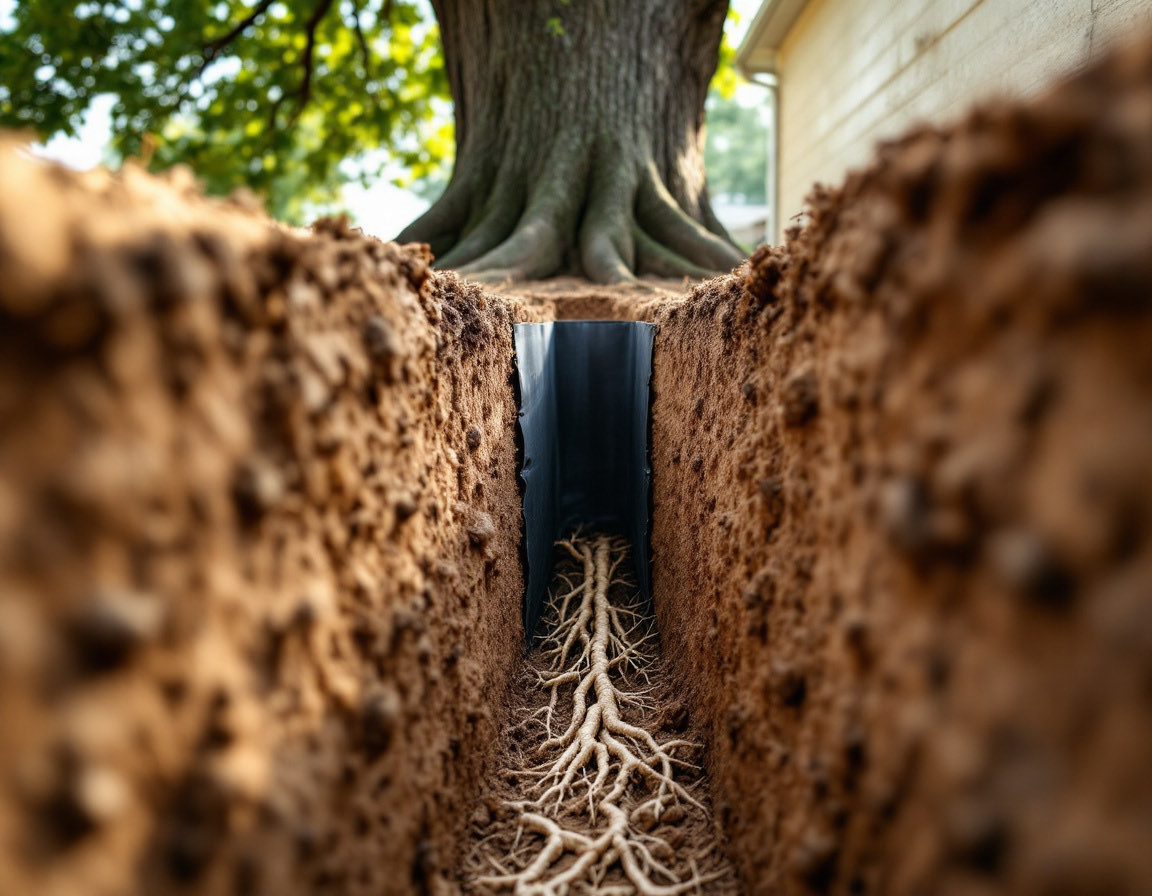
Stopping a big tree drinking the water out from under your slab
The evaluation is free and the answer is just as often that you do not need the work.